
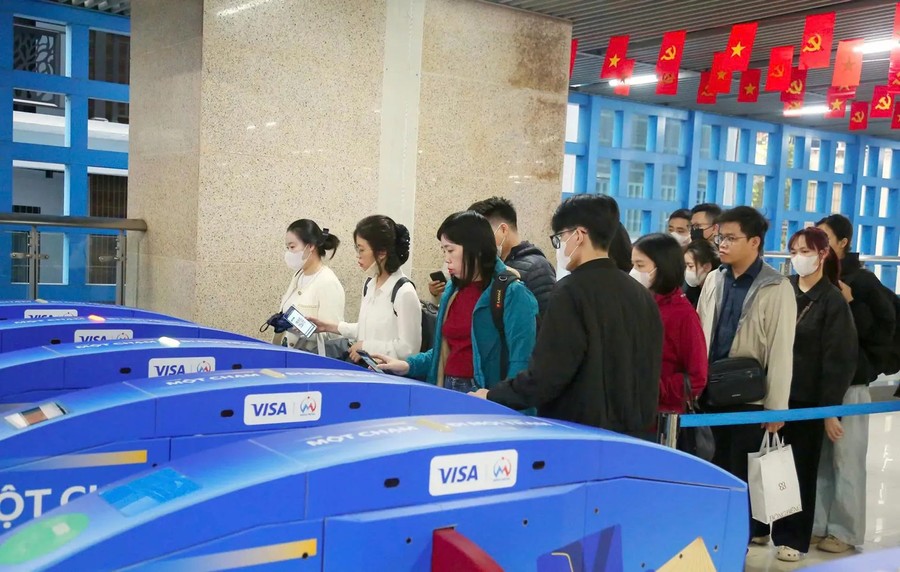
Tap and Go Card Readers Have Evolved Beyond Simple Card Swiping
Multi-Standard Reading Capabilities Define Modern Validators
-
Multi-standard reading: NFC, QR codes, EMV contactless, and chip cards
-
Instant processing: Sub-second transaction times to prevent gate congestion
-
Offline resilience: Secure transaction storage when network connectivity drops
-
Future-ready architecture: Expandable SAM (Secure Access Module) slots for new payment schemes
Advanced Tap Card Payment Systems Deliver Measurable ROI
-
Reduced boarding times: Contactless payments cut boarding delays by 30-40% compared to cash handling
-
Lower operational costs: Automated systems eliminate ticket booth staffing and cash reconciliation overhead
-
Increased ridership: Frictionless payment removes barriers for occasional riders and tourists
-
Revenue protection: Real-time validation and gate integration minimize fare evasion
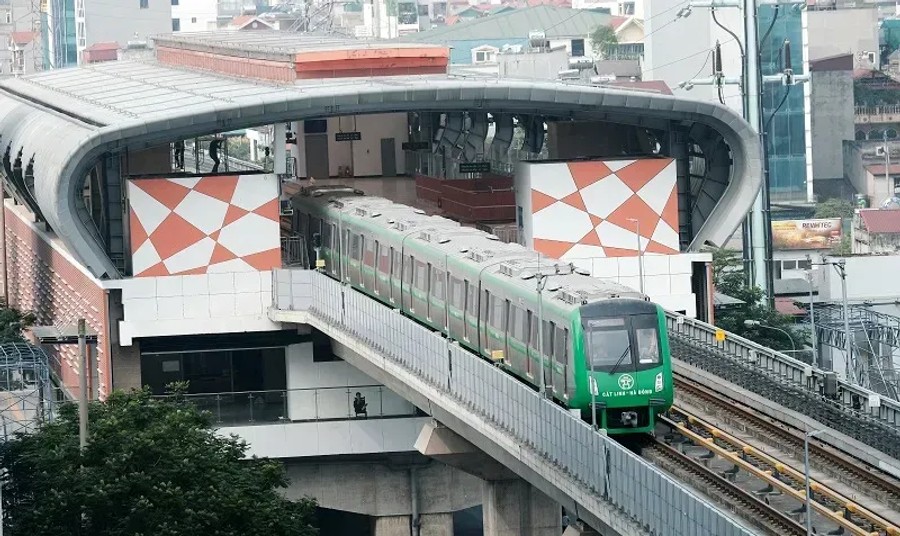
Automatic Fare Collection AFC Systems Now Provide Intelligence Beyond Payment Processing
-
Dynamic pricing: Time-of-day or demand-based fare adjustments
-
Intermodal transfers: Seamless payment across metro, bus, and bike-share networks
-
Analytics-driven planning: Passenger flow data informing route optimization and capacity planning
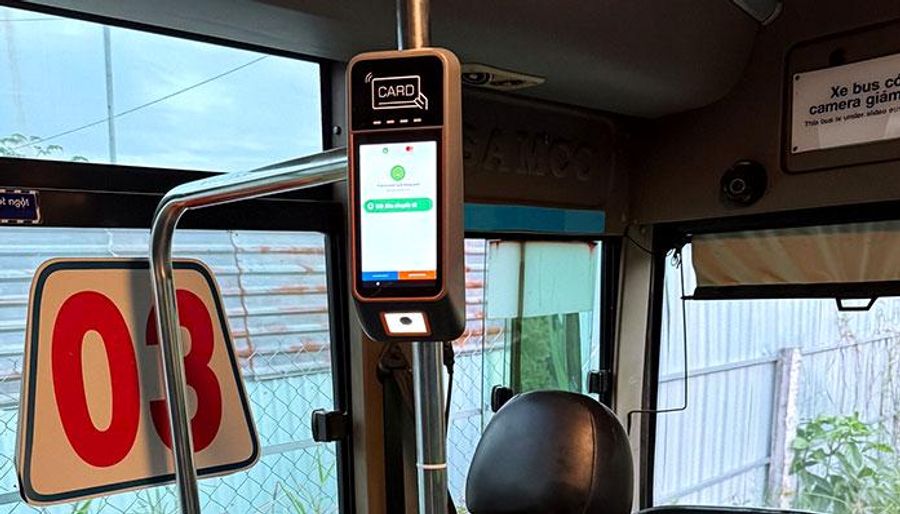
Automated Bus Fare Collection Systems Face Unique Environmental Challenges
-
Environmental extremes: Wide temperature ranges, vibration, and exposure to sunlight
-
Power constraints: Reliance on vehicle electrical systems with voltage fluctuations
-
GPS integration: Location-based fare calculations for distance-based pricing
-
Driver interface: Compact designs that don’t obstruct operator’s workspace
Ruggedized Hardware Meets Bus-Specific Operational Demands
-
IK07 impact resistance and optional IP54 ingress protection for harsh operating conditions
-
Anti-glare 500cd/m² display ensuring readability in direct sunlight
-
Dual-SIM 4G connectivity with optional eSIM and external GNSS/4G antenna for reliable vehicle tracking
-
E24 certification meeting EU safety, environmental, and EMC standards
-
6 SAM slots providing flexibility for regional payment schemes and future upgrades
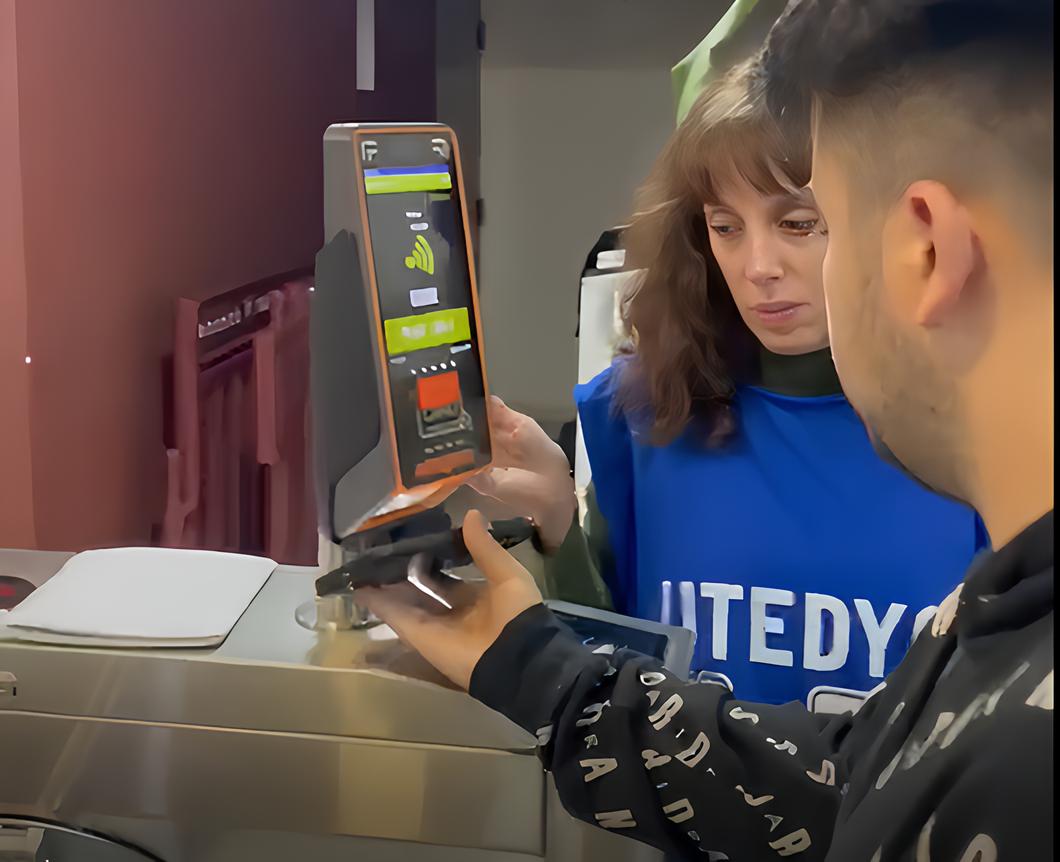
Metro Validators Are Becoming Biometric Authentication Gateways
-
High-resolution cameras: Capturing facial data under varied lighting conditions
-
Liveness detection: IR sensors preventing spoofing attempts with photos or masks
-
Privacy compliance: Secure on-device processing or encrypted transmission to local regulations
-
On-device biometric matching: Reducing latency and privacy concerns
-
Multi-modal authentication: Face + card, or face + QR code for enhanced security
-
Display built for transit environments: 7-inch touch screen with anti-glare and 500 cd/m² brightness shows excellent readability in semi-outdoor conditions
Validator Selection Requires Matching Hardware to Deployment Context
| Environment | Recommended Features | Example Solution |
| Bus/Tram | Compact size, SAM expandability, GPS, external antenna | T10 with 6SAMs, dual-SIM |
| Metro gates | Larger display, ruggedized, camera-ready, rich peripheral ports | T20 with IP65, Face camera |
| Light rail | Balance of durability and connectivity | Either, based on space/budget |
Open-Loop Payments and MaaS Integration Define the Next Evolution
Future-Proofing Transit Through Intelligent Validation
Additional Insightful FAQs
Q1: What payment methods do modern AFC systems support in the Hanoi Metro?
A : Contemporary validators support multi-standard reading, including:
- NFC — for smartphones (Apple Pay, Google Pay, etc.) and wearables.
- QR codes — mobile wallet-generated transit QR codes.
- Contactless EMV — direct tap-and-go payments with bank cards (Visa, Mastercard, etc.).
- Legacy smart cards — existing proprietary transit stored-value cards.
Q2: Why do bus-specific validators require specialized design?
A : Unlike metro/rail environments, on-board must address unique operational challenges:
- Harsh environmental conditions — severe vibration, wide temperature fluctuations, and direct sunlight exposure (requiring high-brightness displays for readability).
- Unstable power supply — must tolerate voltage fluctuations and transients typical of vehicle electrical systems.
- Location and distance-based fare requirements — integration of GPS modules for section-based or distance-based fare calculation.
- Space constraints — compact form factor to avoid obstructing the driver’s view.
Q3: What are the key differences between the Telpo T10 and T20 products?
A : Telpo T10 — Purpose-built for buses and trams. Features a 5.5-inch screen, compact structure, E-mark/E24 automotive-grade certification, and support for up to 6 SAM slots — optimised for on-vehicle positioning and complex payment scenarios.
Telpo T20 — Designed for metro gates and high-throughput stations, equipped with a larger 7-inch display, dual-lens camera for facial recognition, higher IP65 ingress protection rating, and up to 8 SAM slots for greater expandability.
Telpo acts as a reliable OEM/ODM partner, providing durable validators tailored to transit operators’ and system integrators’ requirements. The primary emphasis is on empowering service providers, system integrators, and software developers through comprehensive SDKs (Software Development Kits) and platform tools. Telpo validators power intelligent, cashless transit modernization in regions like Latin America (Mexico, Brazil, Chile — metros and buses), Europe, Asia, Africa, and beyond.