
La iniciativa nacional francesa de identidad digital ha alcanzado un hito importante. La aplicación France Identité ha permitido la creación de más de 3,2 millones de documentos de identidad digitales, con aproximadamente 525 000 identidades plenamente certificadas mediante verificación en persona en los ayuntamientos locales, según Actualización biométrica. A medida que el programa se acerca a los 5 millones de usuarios en 2026 y se prepara para la integración de la Cartera de Identidad Digital de la UE, surge una pregunta fundamental: ¿Cómo pueden los gobiernos garantizar que estas credenciales digitales sean realmente seguras y fiables? La respuesta está en tecnología de escaneado biométrico-la base esencial que transforma la identidad digital de las administraciones públicas de cómoda a genuinamente segura.
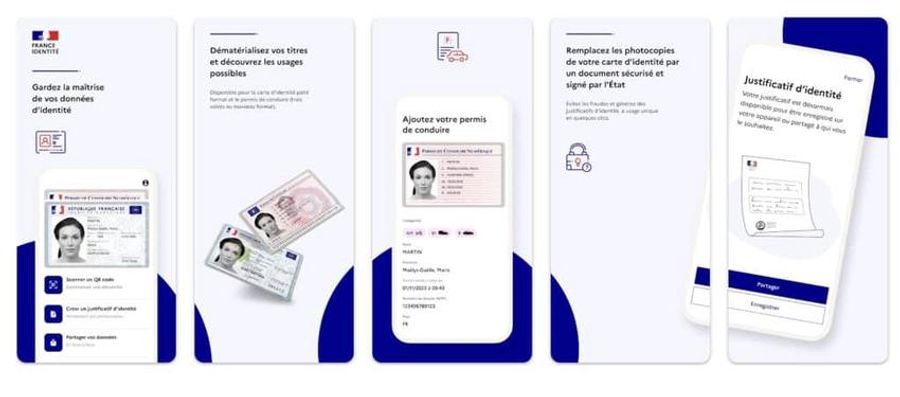
Fuente de la imagen: Actualización biométrica
El reto de la seguridad tras los programas de identidad digital
Los programas de identidad digital como France Identité representan visiones ambiciosas: ciudadanos que acceden a los servicios públicos, votan en las elecciones y demuestran su identidad a través de aplicaciones móviles. El sistema francés ya ha facilitado 6,5 millones de autenticaciones y generado 655.000 certificados de identidad digital. En marzo de 2026, los ciudadanos lo utilizarán en las elecciones municipales mediante el voto por delegación digital.
Sin embargo, los sistemas de identidad digital se enfrentan a una vulnerabilidad fundamental. Sin mecanismos de verificación sólidos, ¿cómo confirman las autoridades que la persona titular de una identidad digital es realmente su legítimo propietario? Los métodos tradicionales, como contraseñas, PIN o preguntas basadas en el conocimiento, pueden ser robados, adivinados o compartidos. Los documentos físicos pueden falsificarse. A medida que la identidad digital pasa de programas piloto a un despliegue nacional que da servicio a millones de personas, el mecanismo de autenticación debe ser infranqueable.
Aquí es precisamente donde identificación y autenticación biométricas se vuelven indispensables.
Por qué la tecnología biométrica es esencial para la identidad digital gubernamental
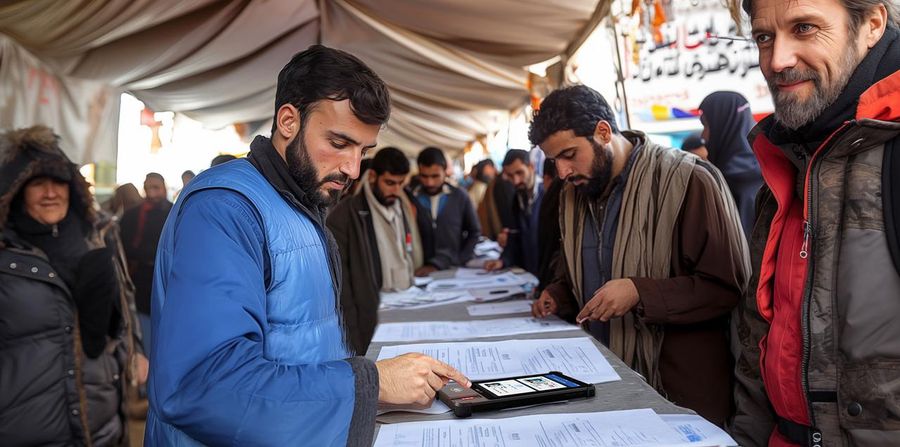
La autenticación biométrica ancla la identidad digital a características fisiológicas únicas que no pueden ser transferidas, robadas o replicadas. A diferencia de las contraseñas que se guardan en la memoria o de las tarjetas que se guardan en las carteras, los rasgos biométricos -huellas dactilares, rasgos faciales, patrones del iris, venas de la palma de la mano- permanecen permanentemente unidos a la persona.
Para programas gubernamentales que requieran una certeza absoluta de la identidad, soluciones de identidad biométrica ofrecen varias ventajas fundamentales:
- Eliminación del robo de credenciales: Las credenciales de identidad digital protegidas por biometría no pueden ser utilizadas por personas no autorizadas, incluso si las credenciales de la cuenta se ven comprometidas.
- Prevención de identidades duplicadas: En la biometría del censo electoral o la inscripción de la identidad digital nacional, las bases de datos biométricos detectan instantáneamente los intentos de crear identidades múltiples con nombres diferentes.
- Experiencia de usuario sin fisuras: Los ciudadanos se autentican simplemente presentando su huella dactilar o su rostro, sin contraseñas que recordar ni fichas físicas que llevar encima.
- Integridad de la pista de auditoría: La autenticación biométrica crea pruebas definitivas de quién ha accedido a los sistemas o realizado transacciones, algo esencial para la integridad de las elecciones y la rendición de cuentas de los gobiernos.
Soluciones de autenticación biométrica multifactor para operaciones gubernamentales seguras
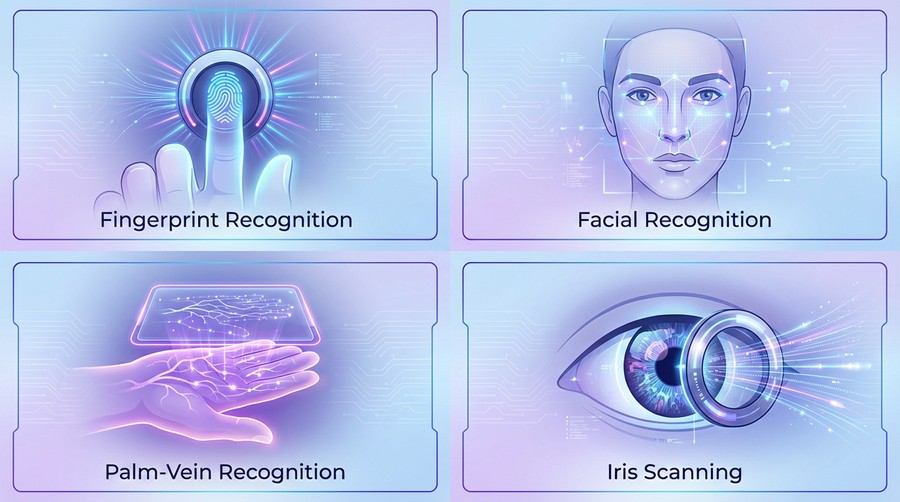
Los programas modernos de identidad digital de las administraciones públicas requieren biometría autenticación multifactor soluciones adaptados a diversos escenarios. En dispositivos de identificación incorporar múltiples métodos de autenticación:
-
Reconocimiento de huellas dactilares
El escaneado de huellas dactilares sigue siendo la tecnología biométrica más extendida para aplicaciones gubernamentales. Avanzado lector móvil de huellas dactilares incorporan ahora la detección de dedos vivos (LFD), que distingue los dedos reales de los sofisticados intentos de suplantación con materiales falsos. Moderno hardware del escáner de huellas dactilares consigue una precisión excepcional tanto en la verificación 1:1 (confirmación de una identidad declarada) como en la identificación 1:N (búsqueda de coincidencias en bases de datos enteras), funciones críticas para el censo electoral, las fuerzas de seguridad y los programas nacionales de identificación.
-
Reconocimiento facial
Gracias a la combinación de imágenes RGB e infrarrojas, la biometría facial permite una autenticación sin contacto que procesa las coincidencias en un segundo. Esta rapidez y comodidad hacen que el reconocimiento facial sea ideal para situaciones de alto rendimiento, como el control de fronteras y los puntos de acceso a empresas. Avanzado sistemas de identificación admiten la detección de máscaras, manteniendo la seguridad incluso cuando los rostros están parcialmente oscurecidos.
-
Reconocimiento de la palma de la mano
A diferencia de las huellas dactilares o los rostros visibles en la superficie corporal, los patrones de las venas palmares existen bajo la piel, por lo que son prácticamente imposibles de fotografiar, replicar o falsificar. Esta característica interna proporciona una protección superior contra la suplantación de identidad para aplicaciones gubernamentales de alta seguridad y transacciones financieras que requieren el máximo nivel de garantía de autenticación. Sin embargo, este tipo de equipos son relativamente caros y su adopción es relativamente baja.
-
Escaneado del iris
Integrada en dispositivos móviles multimodales, la identificación por iris ofrece los mayores niveles de precisión de autenticación disponibles. Para operaciones críticas como el registro de la población, la documentación de refugiados o el control de fronteras -escenarios en los que la certeza absoluta de la identidad no es negociable-, la tecnología del iris proporciona una verificación definitiva.
-
Flexibilidad multimodal para usos diversos
Las operaciones gubernamentales exigen versatilidad. La vigilancia electoral es distinta del control de fronteras; las operaciones sobre el terreno de las fuerzas del orden difieren de los centros de atención al ciudadano. Moderno terminales biométricos combinan múltiples modalidades biométricas dentro de una única plataforma, lo que permite a los organismos desplegar métodos de autenticación adecuados para cada escenario específico.
Despliegue del lector biométrico móvil de huellas dactilares: Hardware que satisface las exigencias gubernamentales
El éxito de los programas de identidad digital requiere algo más que seguridad teórica: necesitan una implementación práctica que funcione en las operaciones gubernamentales del mundo real. Una infraestructura biométrica completa permite aplicaciones mucho más amplias:
-
Programas nacionales de identificación: Gestión completa del ciclo de vida, desde la inscripción inicial hasta la renovación y verificación, garantizando que cada ciudadano posea exactamente una credencial de identidad legítima.
-
Gestión electoral: Registro de votantes con detección de duplicados, autenticación de colegios electorales y voto por delegación digital, todo ello protegido mediante verificación biométrica para garantizar la integridad de "una persona, un voto".
-
Registro de población: Operaciones censales y recopilación de datos demográficos en entornos difíciles en los que la documentación tradicional puede no estar disponible o ser poco fiable.
-
Control de fronteras: Tramitación de la inmigración que verifica instantáneamente a los viajeros con las listas de vigilancia, manteniendo al mismo tiempo el rendimiento exigido por los aeropuertos internacionales y los pasos fronterizos terrestres.
-
Cumplimiento de la ley: Identificación sobre el terreno que permite a los agentes cotejar a los sospechosos con las bases de datos sobre delincuencia, órdenes de detención pendientes e informes sobre personas desaparecidas sin tener que volver a la sede.
-
Servicios al ciudadano: La columna vertebral de la autenticación para acceder a prestaciones, asistencia sanitaria, educación y otros servicios gubernamentales, exactamente lo que France Identité permite actualmente a través de sus 6,5 millones de autenticaciones.
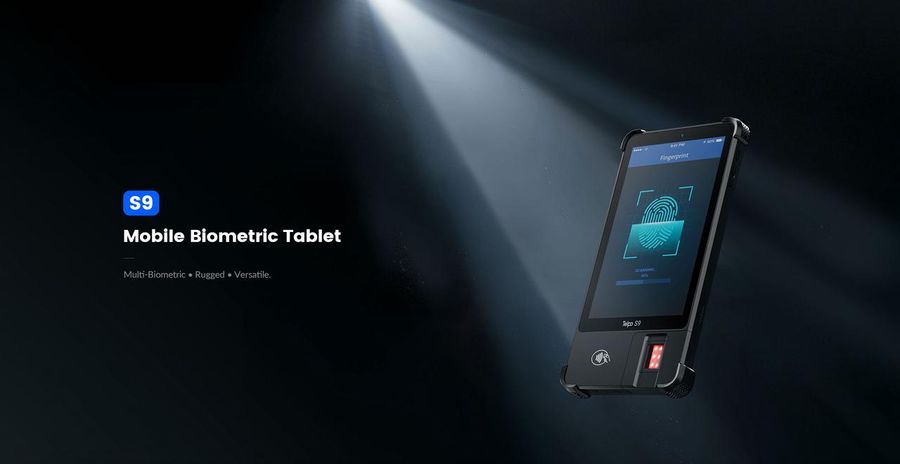
Cada escenario requiere una lector biométrico móvil de huellas dactilares soluciones diseñadas para el despliegue sobre el terreno. Telpo S9 tableta Android robusta es un ejemplo de diseño de hardware de calidad gubernamental. Su sensor de huellas dactilares de 500 DPI con un área de captura de 15,24×20,32 mm incorpora la tecnología Live Finger Detection, que proporciona imágenes nítidas para una comparación fiable y es compatible con las normas internacionales, incluidas las plantillas ISO19794-2 y ANSI378.
Las funciones de autenticación multimodal combinan el escaneado de huellas dactilares con la lectura NFC para tarjetas de identificación existentes y la captura de retratos con la cámara trasera para el reconocimiento facial, lo que proporciona a los responsables de la inscripción opciones de verificación flexibles. Con protección ambiental IP65 y resistencia a caídas de 1,2 metros, esta tableta portátil mantiene un rendimiento constante a pesar de las duras condiciones sobre el terreno. Una batería opcional de 10.000 mAh ofrece entre 16 y 27 horas de funcionamiento, lo que resulta esencial para los desplazamientos de inscripción de un día completo sin una infraestructura de carga fiable.
Crear confianza: La arquitectura de una implantación biométrica segura
La tecnología por sí sola no crea confianza sistemas de identidad digital. Las soluciones completas requieren una cuidadosa atención a la privacidad, la seguridad y los derechos de los ciudadanos:
-
Almacenamiento basado en plantillas: Los sistemas biométricos éticos nunca almacenan imágenes reales de huellas dactilares o fotografías faciales. En su lugar, convierten las capturas biométricas en plantillas matemáticas que no pueden ser objeto de ingeniería inversa para convertirlas en datos biométricos originales, lo que protege la privacidad incluso si se violan las bases de datos.
-
Detección de actividad: Los sofisticados ataques de suplantación de identidad mediante fotografías, reproducciones de vídeo o materiales sintéticos plantean amenazas reales. La avanzada tecnología anti-spoofing de los sistemas modernos distingue el tejido vivo de las reproducciones artificiales mediante múltiples métodos de detección.
-
Consentimiento transparente: Los ciudadanos deben comprender qué datos biométricos se recopilan, cómo se utilizan y cuáles son sus derechos al respecto. Unos mecanismos de consentimiento claros y unos principios de minimización de datos generan la confianza pública esencial para el éxito de los programas de identidad digital.
-
Cumplimiento de las normas: Francia se prepara para Identidad digital de la UE La integración de las carteras y la interoperabilidad son fundamentales. Un hardware conforme a las normas garantiza que las credenciales biométricas funcionen en todas las jurisdicciones, plataformas y aplicaciones, lo que permite la funcionalidad transfronteriza que prevé la identidad digital europea.
La tecnología de escaneado biométrico como base de la seguridad de la identidad digital
Los programas de identidad digital representan el futuro de la prestación de servicios públicos, pero su éxito depende totalmente de la fiabilidad del mecanismo de autenticación subyacente.
Los organismos gubernamentales y las organizaciones que planifican iniciativas de identidad digital deben dar prioridad a soluciones biométricas integrales que ofrezcan flexibilidad multimodal, fiabilidad probada sobre el terreno e interoperabilidad basada en estándares. Tanto si su objetivo es la integridad electoral, la eficiencia de los servicios al ciudadano o la gestión segura de las fronteras, tecnología de escaneado biométrico constituye la base inquebrantable sobre la que se construye un gobierno digital de confianza.
Listo para implantar la autenticación biométrica en su programa de identidad digital? Explore la gama completa de Telpo de productos de grado gubernamental terminales biométricos diseñado para las situaciones de verificación más exigentes, desde el censo electoral hasta el control de fronteras.