
Biometric POS device has become popular recently. What is the biometric POS?
Biometric POS is the abbreviation for biometric point of sale machines. A point of sale terminal (POS terminal) is an electronic device used to process card payments at retail locations. A POS terminal generally does the following: Reads the information off a customer’s credit or debit card. Checks whether the funds in a customer’s bank account are sufficient.
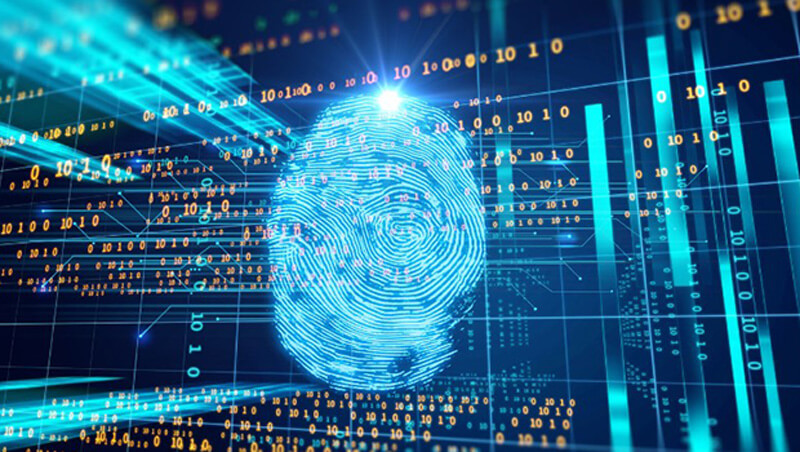
A biometric POS machine is an electronic device that combines biometric technology for confirming personal information or verifying supplementary payment behaviour. Biometric technology utilises various methods, including fingerprint recognition, iris recognition, face recognition, palm recognition, and voice recognition, among others. Biometric POS device, including handheld POS, Desktop POS, biometric Cash register, biometric kiosk machine, and integrated device, etc.
There are two types of biometric POS machines, one is the pos machine with the biometric module on the machine itself, such as Telpo TPS900 and the other is the device that can identify the biometric cards, such as the master biometric card.
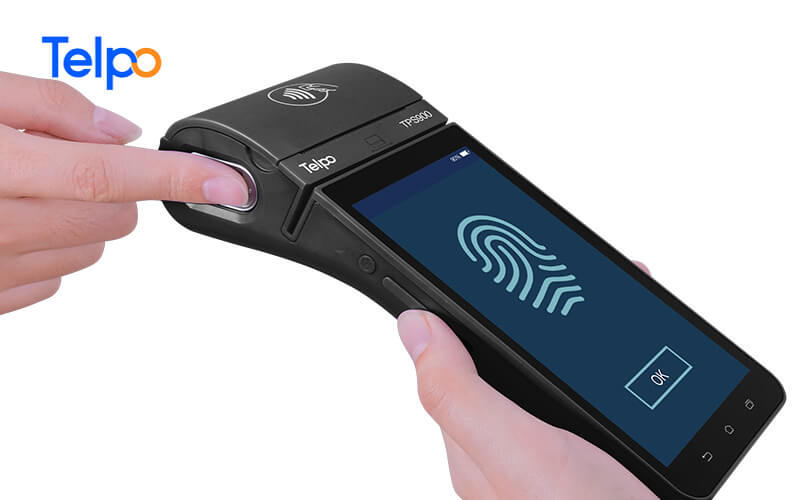
Telpo TPS900 is a biometric EFTPOS.
Among the many POS terminals combined with biometric technology, the biometric fingerprint device POS is the most recognized and highly popular. For example, India has introduced payment methods that comply with Aadhaar certification. The fingerprint POS device can quickly confirm the trustworthiness and identity information of the payer during payment, realizing low-cost and fast secondary identity verification. Therefore, in some countries and regions, there will be bio-POS with fingerprint recognition and improve the efficiency of food and material distribution.
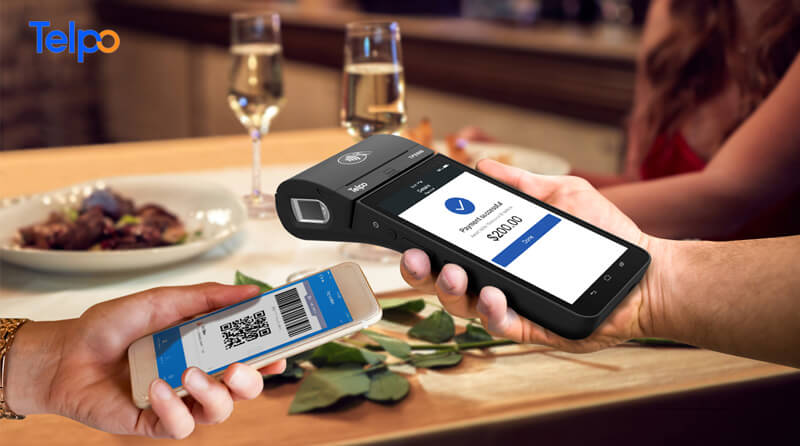
The popularity of the biometric face recognition point of sale device has increased, but it is not popular. Face recognition technology has brought a new biometric recognition technology under the impetus of image processing technology, deep learning algorithms and artificial intelligence technology. The necessity of the development of face recognition payment has always been suspicion by people inside and outside the industry. Based on the uniqueness and uniqueness of human facial features, facial payment technology is both convenient and accompanied by the exposure of personal privacy.
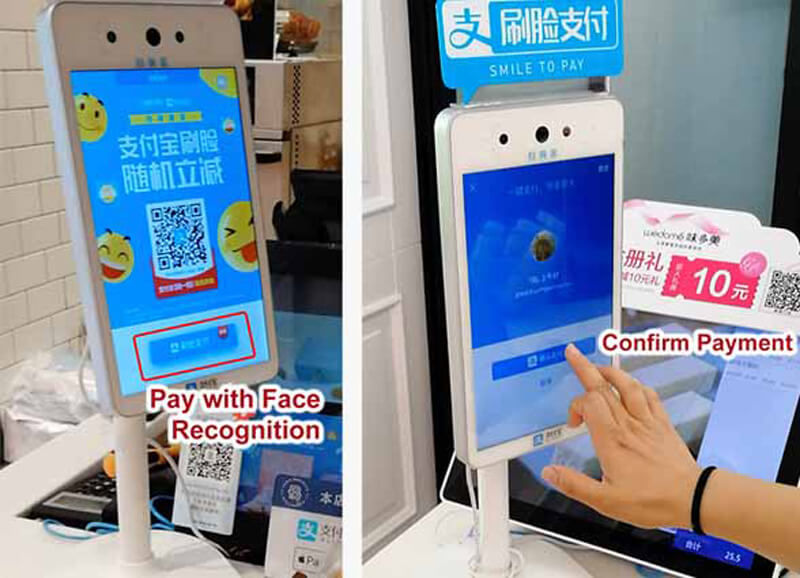
Alipay terminal can pay with face recognition
In China, this technology has been tried and implemented in public transportation, retail consumption, leisure and entertainment and other fields. After the bonus period of QR code payment has passed, giants such as Alipay, WeChat, and Baidu are all striving to open up new payment portals for face recognition payment methods. And what changes will this approach bring to digital financial payments? Wait and see.
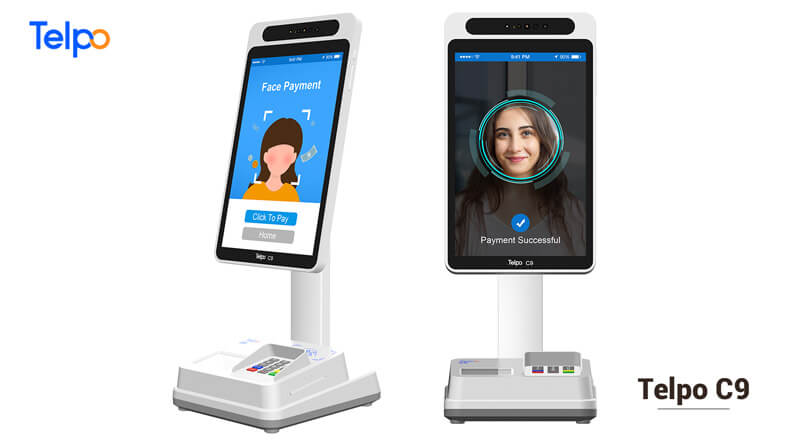
Telpo P60(Orginal C9) is a multiple-payment terminal with Card and face recognition payment methods.
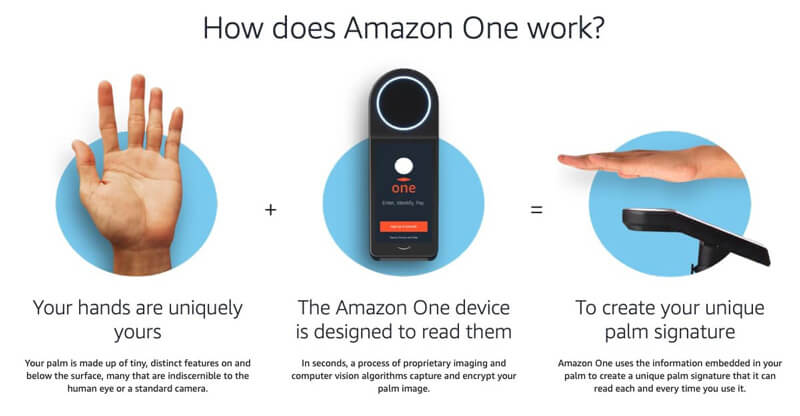
How does the Amazon One device work?
In a similar move, WeChat Pay and Qualcomm recently rolled out their palmprint payment systems. Users have been quick to praise the WeChat experience for being effortless and highly modern. To support this shift, Telpo collaborated with Qualcomm on a dedicated palmprint terminal, which became a major talking point when showcased at the NRF 2025 global exhibitions.
FAQ for the Biometric POS terminal
Q1: What are the main types of biometric POS terminals?
A: Most modern biometric POS systems utilize fingerprint scanning, facial recognition, and iris/palm vein authentication. Fingerprint is the most cost-effective, while 3D facial recognition and iris scanning provide the highest security levels for high-value transactions.
Q2: How does a biometric POS improve payment security?
A: Biometric POS terminals replace vulnerable PINs with unique physiological markers. By using liveness detection and encrypted biometric templates (rather than raw data), these devices virtually eliminate card-present fraud and identity theft.
Q3: Is biometric payment data safe and GDPR compliant?
A: Yes. Professional biometric POS hardware, such as that from Telpo, ensures compliance by storing data as irreversible mathematical hashes. No actual images are stored, adhering to global privacy standards like GDPR and PCI-PTS.
Q4: Can biometric POS terminals work offline?
A: Many high-end biometric POS terminals support local authentication for pre-registered users (like employees or VIP members), allowing for secure verification even during intermittent network connectivity.
Q5: Where can I find the technical breakdown of Telpo’s palm print payment solutions?
A: For deep-dive technical specs and use-case analysis, you can explore our dedicated solution pages, “Palm Print Payment: The Future is Here – Telpo’s Palm Print Payment Device Solution”. We’ve outlined everything you need to know about the hardware and software synergy here.
Brief Introduction: Telpo is a professional intelligent terminal provider and ODM service expert. For more than 25 years, Telpo has provided professional, customized intelligent hardware services to more than 1000 customers in 100 countries and regions around the world. It covers POS terminals, biometric cash registers, face recognition machines, self-service kiosks, bus ticket machines and other products.