
Quick Insights:
-
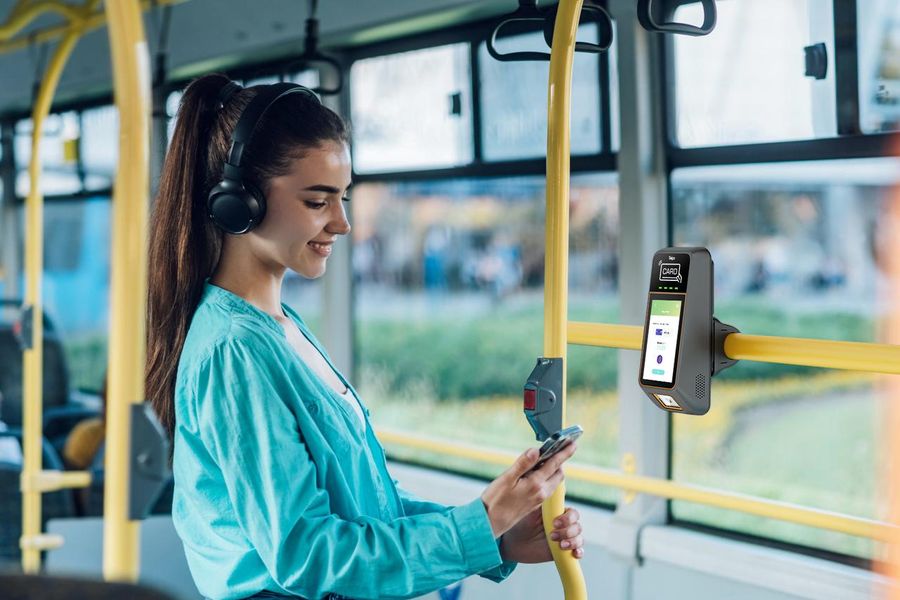
Definition: Open loop payment systems allow riders to use existing bank cards (EMV) directly on transit validators without pre-registration.
-
Trend: Cities like Wellington are bypassing centralized overhauls for “overlay” solutions to speed up adoption.
-
Telpo Advantage: Supports hybrid validation (QR, NFC, EMV) with <0.5s transaction speed suitable for high-peak flows.
From Cash Bottlenecks to Seamless Mobility
Public transport systems worldwide are under pressure to move more people, faster, with fewer operational headaches. Passengers increasingly expect the same frictionless experience they enjoy in retail—tap your card to pay and go. Against this backdrop, the open-loop payment system has emerged as a catalyst for change, allowing riders to use their everyday bank cards and mobile wallets directly on buses, metros, and ferries. A recent move by Wellington, New Zealand, highlights how cities are accelerating this transition—and why choosing the right fare collection technology partner matters more than ever.
Wellington’s Decision to Fast-Track Open Loop Payments
Cities are no longer willing to wait for slow, centralized ticketing reforms.
According to industry reporting by Mobility Payments, Wellington’s transport authority has decided not to wait for New Zealand’s delayed National Ticketing Solution. Instead, it will invest NZ$5.5 million to retrofit existing terminals and enable open-loop bank card acceptance by next April. By adding secure-access modules (SAMs) to current validators, the city can roll out an open payments “overlay” within months rather than years.
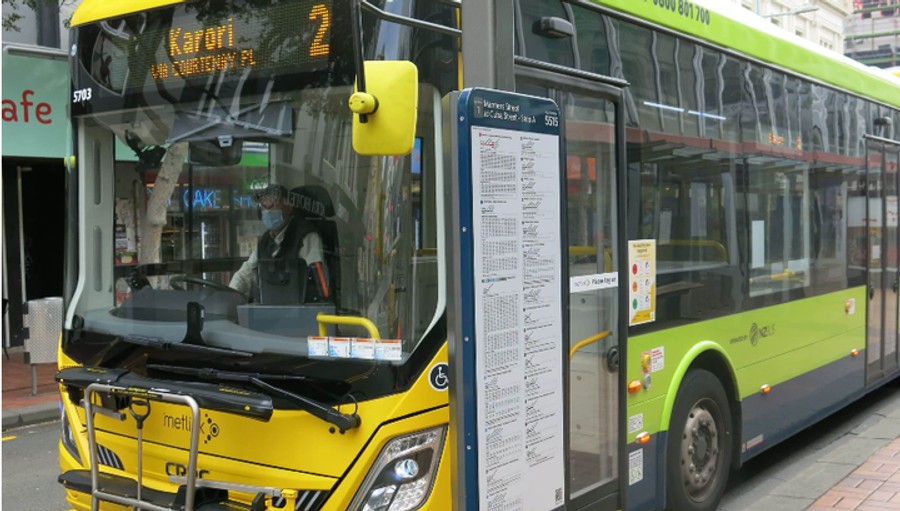
This decision sends a clear message to operators globally: open loop ticketing is no longer a future concept—it is an operational necessity.
Why the Open Loop Payment System Is Transforming Urban Mobility
Flexibility for passengers, efficiency for operators.
An open-loop payment system allows riders to pay fares using EMV bank cards or mobile wallets, without pre-purchasing or registering a transit-specific card. For transport authorities, this shift delivers multiple benefits:
-
Lower barriers to entry for tourists and occasional riders
-
Reduced cash handling and card issuance costs
-
Faster boarding times, improving punctuality and vehicle utilization
In contrast to closed-loop models, open loop systems integrate seamlessly with modern automated fare collection systems for public transport, aligning transit with broader smart city ecosystems.
“Tap Your Card to Pay”: Speed Matters at the Bus Door
Milliseconds saved per passenger add up to real operational gains.
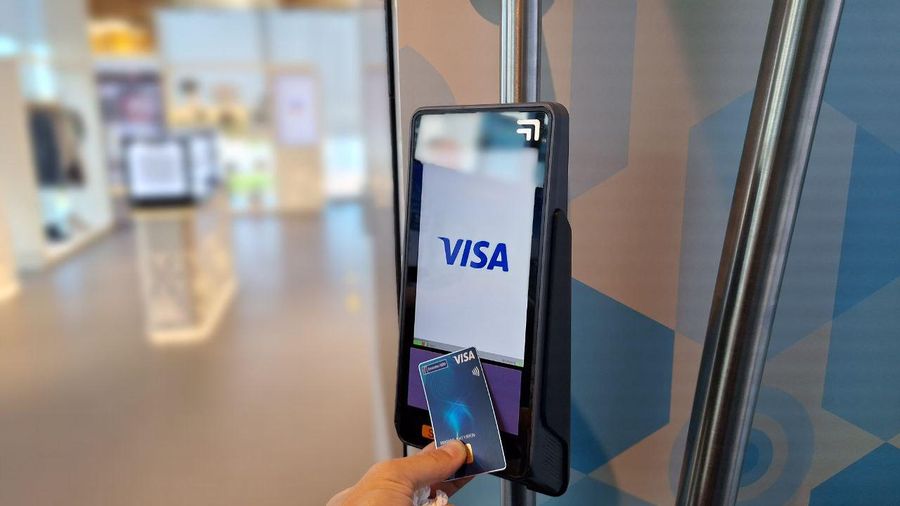
When passengers can simply tap your card to pay, dwell time at stops drops dramatically. High-performance validators are essential here. A slow transaction negates the promise of open loop payments.
Telpo transport solutions are engineered for high transaction throughput, ensuring that paying a bus by card feels instantaneous. This speed is critical in peak hours, where even a one-second delay per passenger can ripple into schedule disruptions across an entire route.
Open Loop Meets AFC: Building a Smarter Automated Fare Collection System
Open loop is most powerful when paired with a robust AFC infrastructure.
Modern cities rarely abandon existing fare systems overnight. Instead, they evolve toward AFC automated fare collection architectures that support both closed and open loop payments.
Telpo’s validators are designed as a bridge technology:
-
Support closed-loop and open-loop payments in a single device
-
Accept contactless transit cards, bank cards, mobile wallets, and even paper ticket validation
-
Seamlessly integrate with existing back-office automatic fare collection platforms
This approach minimizes risk and ensures continuity during migration. Learn more about building an open-loop ticketing system that works with your current infrastructure.
Reliability Under Real-World Conditions
Transport hardware must survive where consumer devices fail.
Public transport environments are unforgiving—heat, cold, vibration, dust, and constant use are the norm. Telpo’s electronic bus ticketing machines are built with rugged, weather-resistant enclosures and industrial-grade components. Deployed globally across metro gates, BRT systems, ferries, and bus networks, they demonstrate consistent reliability in diverse climates.
Additionally, flexible peripheral ports allow Telpo devices to adapt to local protocols and regulatory requirements, reducing customization costs for operators rolling out an open-loop payment system.
Data That Drives Better Decisions
Connectivity turns payments into actionable insights.
Beyond payment acceptance, modern validators are data engines. Telpo AFC hardwares feature reliable networking and real-time data upload, enabling operators to:
-
Analyze passenger flow by time, route, and stop
-
Optimize schedules and fleet allocation
-
Detect anomalies and reduce fare evasion
This data-centric design strengthens the value of an automated fare collection system for public transport, transforming fare validation into a strategic planning tool.
Global Proof: Elevating Fare Collection in Argentina
Proven deployments reduce perceived transformation risk.
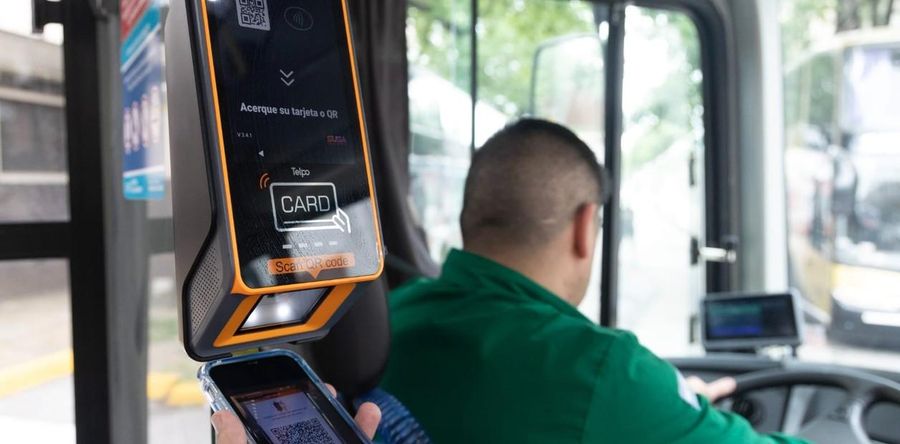
A compelling example comes from Latin America. In Buenos Aires, Telpo’s advanced validators have helped modernize bus fare validation, supporting both contactless and open payment scenarios while maintaining system stability. The project demonstrates how a tap to pay device can be introduced at scale without disrupting daily operations.
Read the full case study on the Argentina fare collection system to see how Telpo technology performs in one of the world’s busiest urban bus networks.
Choosing the Right Electronic Bus Ticketing Machine for Open Loop Transition
Success depends on technology that enables smooth evolution, not forced replacement.
As Wellington’s example shows, cities want progress now—not in five years. The right hardware partner enables a phased, low-risk transition to open-loop payments. Telpo positions its transport terminals as the cornerstone of smooth migration, addressing operator concerns around compatibility, stability, and implementation complexity.
Explore how Telpo supports scalable automatic fare collection and future-ready mobility with its proven portfolio of validators and POS devices.
One Card, Countless Opportunities
The rise of the open-loop payment system is reshaping how cities move people. Faster boarding, richer data, and happier passengers are no longer optional—they are competitive necessities. By combining open loop readiness with IP65 and IK08 impact protection and deep AFC integration, Telpo helps transport operators turn payment innovation into operational advantage. Ready to modernize your fare collection? Visit Telpo’s transportation solutions page to discover how the right validator can move your city forward.
People Also Ask
Q: What is the difference between open-loop and closed-loop payment systems?
| Feature | Closed Loop System | Open Loop Payment System (Telpo Enabled) |
| Payment Method | Proprietary Transit Cards | EMV Bank Cards, Apple Pay, Google Pay |
| Tourist Accessibility | Low (Requires card purchase) | High (Tap and Go) |
| Operational Cost | High (Card issuance & management) | Reduced (Leverages banking infrastructure) |
Q: Can Telpo validators accept both QR codes and bank cards?
Yes. Telpo validators are engineered as a bridge technology to support hybrid fare collection in a single device. They seamlessly accept bank cards (open loop) and mobile wallets alongside traditional QR codes, paper tickets, and contactless transit cards (closed loop), allowing operators to modernize infrastructure without disrupting existing services.