Subtitle: Navigating the Evolution of Smart Ticketing Systems and the Rise of Account-Based Ticketing
Smart ticketing has revolutionized the way we approach fare collection in public transportation. As urban mobility evolves, the demand for efficient, user-friendly, and secure ticketing solutions is higher than ever. This comprehensive guide delves into the definition and transformation of smart ticketing, exploring card-centric and media-based ticketing systems, as well as the burgeoning trend of account-based ticketing (ABT).
Table of Contents
-

What Is Smart Ticketing?
Smart ticketing has revolutionized the way we approach automatic fare collection in public transportation. As urban mobility evolves, the demand for efficient, user-friendly, and secure ticketing solutions is at an all-time high.
Smart ticketing refers to the use of advanced technologies to manage, process, and validate public transport fares. It encompasses a range of solutions from contactless cards to mobile apps, all designed to enhance the passenger experience and streamline operations for transport authorities. This comprehensive guide delves into the definition and transformation of smart ticketing, exploring card-centric and media-based ticketing systems, as well as the burgeoning trend of account-based ticketing (ABT).
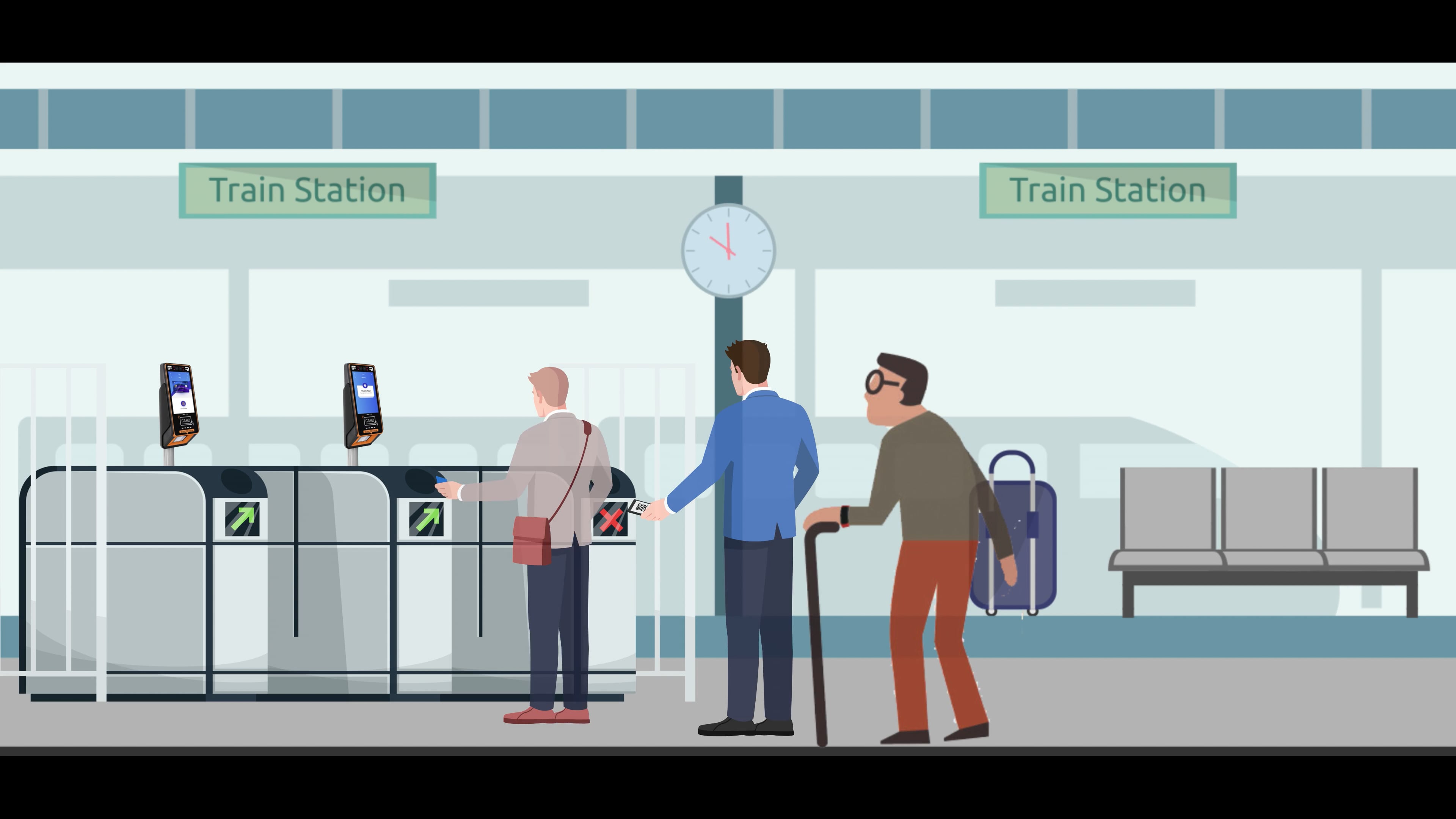
Smart ticketing system evolution diagram showing card-centric, media-based, and account-based ticketing technologies
Card-Centric vs. Media-Based Ticketing
Card-centric schemes store travel information and entitlements directly on a smart card, requiring validators to update the card’s data each time it’s used.
Card-Centric Ticketing Advantages
1. Security: Transactions are secure and instantaneous, ensuring the integrity of fare collection.
2. Flexibility: Smart cards can store multiple types of tickets and passes, catering to various user needs.
Card-Centric Ticketing Challenges
However, card-centric systems face challenges such as:
1. Infrastructure: The need for specialized equipment and maintenance can be costly.
2. Data Synchronization: Keeping data consistent across all devices in a distributed system is complex and time-consuming.
Media-Based Ticketing Explained
Media-based ticketing (MBT) schemes, on the other hand, work offline and are not reliant on network connectivity. They offer resilience against network failures and lower infrastructure costs, making them attractive for regions with intermittent connectivity. However, MBT systems can be more complex to integrate with third-party systems and may experience data synchronisation issues when devices eventually reconnect to the central system.
Account-Based Ticketing (ABT): The Future of Fare Collection
ABT systems store travel entitlements and records in a central back-office system rather than on a physical medium. This modern approach to ticketing offers numerous benefits:
1. Convenience: Passengers can use any device as an identifier, simplifying the travel process.
2. Flexibility: ABT systems can accommodate a variety of payment methods and fare structures, adapting to changing market demands.
3. Data Analytics: Centralized data collection enables transport operators to gain insights into passenger behavior, optimize routes, and enhance service quality.
ABT represents a paradigm shift from card-centric to passenger-centric automatic fare collection. The passenger’s identity becomes the key, the system looks up entitlements in real-time, and fare calculation happens post-trip — often with a best-fare guarantee.
Telpo Smart Ticketing Device Solution
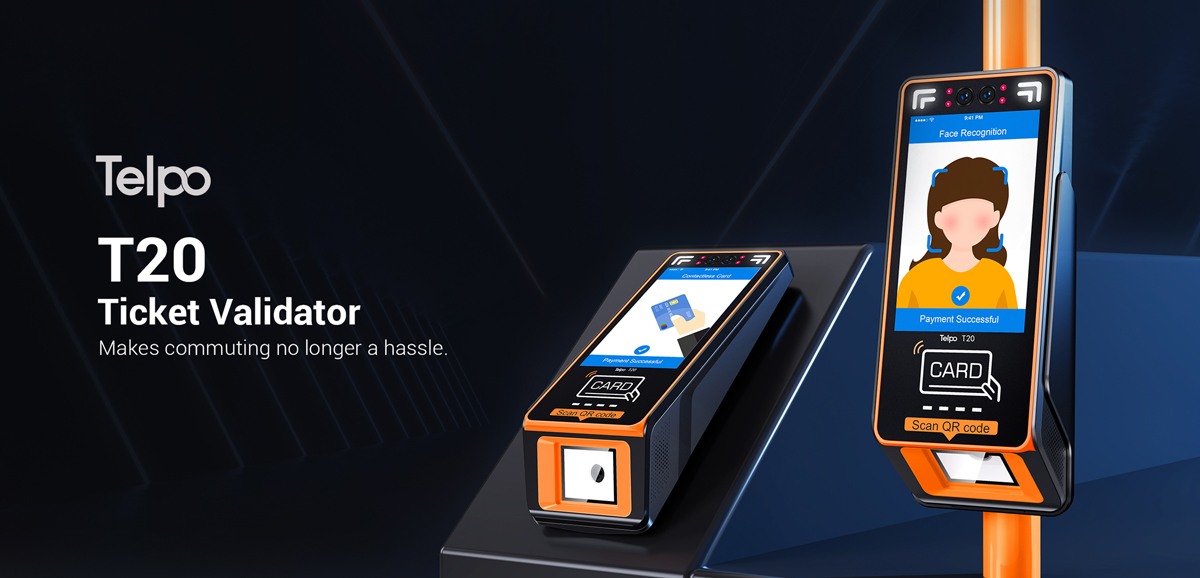
Telpo, a leading provider of smart terminal solutions, offers a range of validator devices that cater to the evolving needs of smart ticketing. Our devices, such as the TPS900 and T20, are designed to support both card-centric and ABT systems, ensuring compatibility with various fare collection methods.
Telpo TPS900
The Telpo TPS900 is an EFTPOS terminal that supports contact and contactless payment acceptance, as well as biometric identification, making it ideal for secure and efficient fare collection at retail top-up points and service centers.
Telpo TPS900 EFTPOS terminal supporting contactless payments and biometric identification

Telpo T20: Smart Bus Ticketing Machine & Ticket Reader
With its Android OS and powerful processor, the Telpo T20 is a versatile transportation device for mobile ticketing and payment processing. The Telpo T20 ticket reader accepts a wide range of payments like open-loop or closed-loop NFC cards, paper or electronic QR codes, and face recognition.
As a rugged Smart Bus Ticketing machine, the T20 ensures secure and easy maintenance with its IP65 rating, IK08 impact resistance, and a future-proof design for various transportation scenarios. Whether deployed on city buses, BRT stations, or metro turnstiles, this transportation device delivers reliable performance in demanding public transit environments.

Telpo T10: Compact Transportation Device
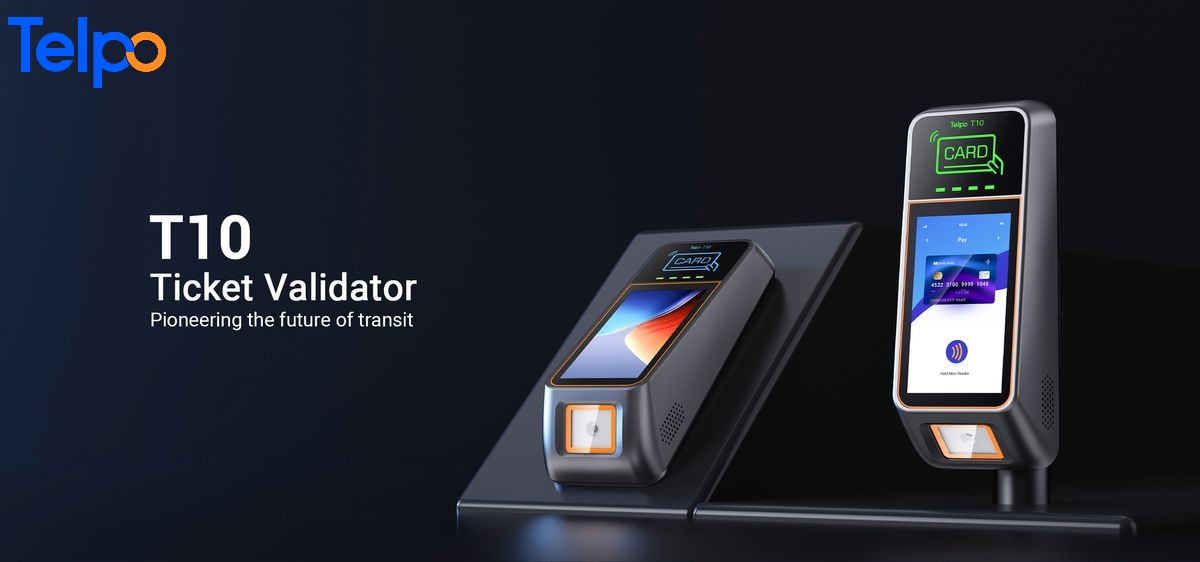
The compact card validator Telpo T10 is designed to meet the electronic ticket validation needs of card payments and QR code payments in smart ticketing systems. It features user-friendly enhancements, flexible installation options, and IP54, IK07 protection to ensure reliability and security in public transit environments.
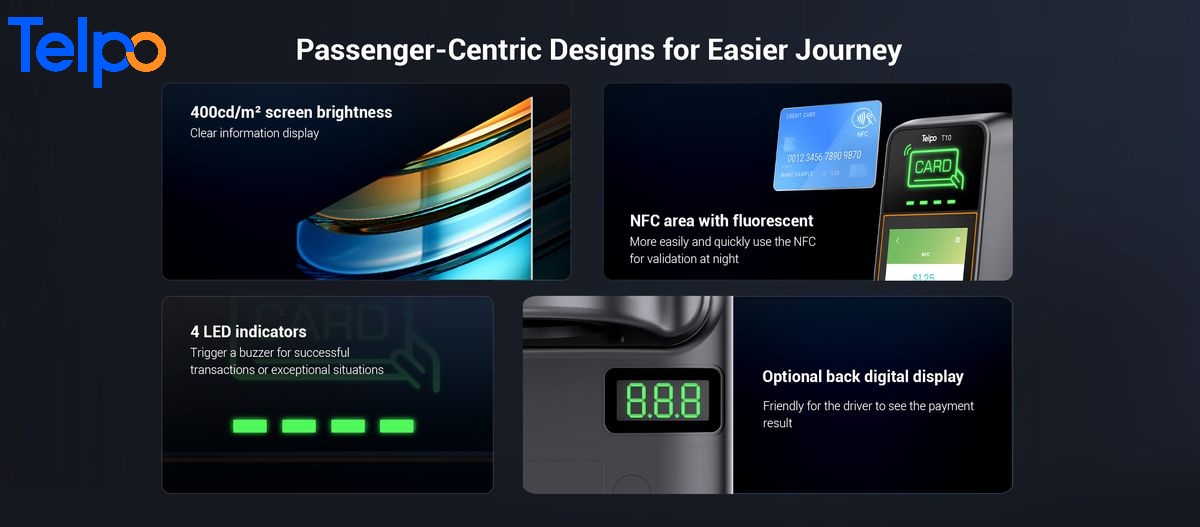
The Telpo T10 has a passenger-centric design that makes it an ideal entry-level transportation device for operators beginning their transition to automatic fare collection.

Telpo T10 has a passenger-centric design
Conclusion
Smart ticketing is more than just a technological upgrade; it’s a transformational shift in how we approach public transport fare collection. Telpo’s smart ticketing device solutions are designed to meet the challenges of today’s transit systems while preparing for the innovations of tomorrow.
Discover Telpo’s Smart Ticketing Solutions
For more information on how Telpo’s smart ticketing devices can revolutionize your transit system, contact us today. Join the future of smart ticketing with Telpo.
Telpo smart ticketing system ecosystem overview
FAQ: Smart Ticketing and Automatic Fare Collection
Q1: What is a Smart Bus Ticketing machine and how does it work?
A Smart Bus Ticketing machine is a transportation device that automates fare collection on buses using contactless cards, QR codes, or mobile payments. It validates tickets instantly, records trip data, and communicates with a central back-office system to process transactions and prevent revenue leakage.
Q2: What is the difference between card-centric and account-based ticketing?
Card-centric ticketing stores travel entitlements directly on a smart card, requiring validators to update the card each time it is used. Account-based ticketing (ABT) stores all travel records and entitlements in a central back-office system, allowing passengers to use any device as an identifier while the backend calculates the best fare.
Q3: What are the advantages of automatic fare collection systems?
Automatic fare collection systems enhance security through encrypted transactions, improve operational efficiency by reducing cash handling, offer flexibility with multiple
payment methods, and provide centralized data analytics that help transport operators optimize routes and service quality.
Q4: What is a ticket reader in public transportation?
A ticket reader, also called a ticket validator or fare validation device, is a transportation device installed at bus doors, metro gates, or station platforms. It reads NFC cards, scans QR codes, or verifies mobile wallets to confirm a passenger’s right to travel before boarding.
Q5: What is account-based ticketing (ABT) and why is it the future?
Account-based ticketing (ABT) stores travel entitlements in a central back-office rather than on a physical card. It offers superior convenience by allowing any token to serve as an identifier, supports flexible fare structures with automatic best-fare calculation, and delivers rich data analytics for transport operators.
Q6: How does media-based ticketing differ from online systems?
Media-based ticketing (MBT) works offline and does not rely on network connectivity, offering resilience against network failures and lower infrastructure costs. However, it can be more complex to integrate with third-party systems and may face data synchronization challenges compared to always-online account-based systems.
-
Q7: Which Telpo transportation device supports both card-centric and ABT systems?
The Telpo T20 ticket reader is a versatile transportation device that supports both card-centric and account-based ticketing systems. It accepts open-loop or closed-loop NFC cards, paper or electronic QR codes, mobile wallets, and even face recognition, making it ideal for modern automatic fare collection deployments.