
The Problem: Consumer Phones Were Never Built for the Gate
A handheld ticket scanner machine is an industrial-grade handheld computer that reads barcodes and NFC tokens, validates tickets against a backend in real time, and operates reliably in outdoor or high-traffic environments where consumer devices fail.
In the fast-paced world of 2026, the guest experience begins at the gate. As digital transformation reshapes ticketing, operational bottlenecks are no longer just an inconvenience—they are a revenue risk. While smartphone-based scanning has its place for small-scale operations, professional high-traffic environments now demand more: they require dedicated, industrial-grade ticket checker machines.
The problem at the gate is not theoretical. It is practical and expensive:
- Rescan friction: A camera-based smartphone scanning a cracked screen in twilight light produces 8–12% rescan rates. At a stadium gate processing 500 guests per minute, that is 40–60 people per minute waiting for a second or third attempt. The queue backs up. Concession sales drop. Guest satisfaction tanks.
- Environmental failure: Rain at an outdoor festival, dust at a desert venue, a drop onto concrete from gate-counter height—these are not edge cases. They are on Tuesday. Consumer phones die in these conditions. Waterproof cases degrade touch sensitivity and eventually fail themselves.
- Battery anxiety: A smartphone running a scanning app on 4G with screen brightness maxed for outdoor visibility lasts 4–6 hours. A multi-day festival with limited charging infrastructure turns battery management into a full-time logistics operation.
- Fleet chaos: Managing 200 consumer phones across multiple gates means 200 different Android versions, 200 different cases, 200 different charging cables, and zero confidence that the device in Gate 3 behaves identically to the device in Gate 7.
The solution is not to make phones tougher. It is to stop using phones for a job they were never designed to do. A professional smart ticketing solution and barcode reader device—built with a hard-decoding scan engine, IP65 sealing, removable batteries, and native MDM—addresses each failure mode directly. This guide examines what that hardware actually does, where it wins, where it still falls short, and how to decide if your operation needs it.
The Solution: What a Professional Ticket Checker Machine Actually Does
Modern entry management has moved beyond simple QR codes. Today’s systems integrate NFC for secure tap-and-go entry, real-time backend validation, and data-rich ticketing platforms. The phenomenon is clear: venues that upgrade their electronic handheld ticket scanner devices see a measurable reduction in time-to-entry and a measurable increase in throughput.
A professional Ticket handheld PDA scanner handles three distinct technical workflows:
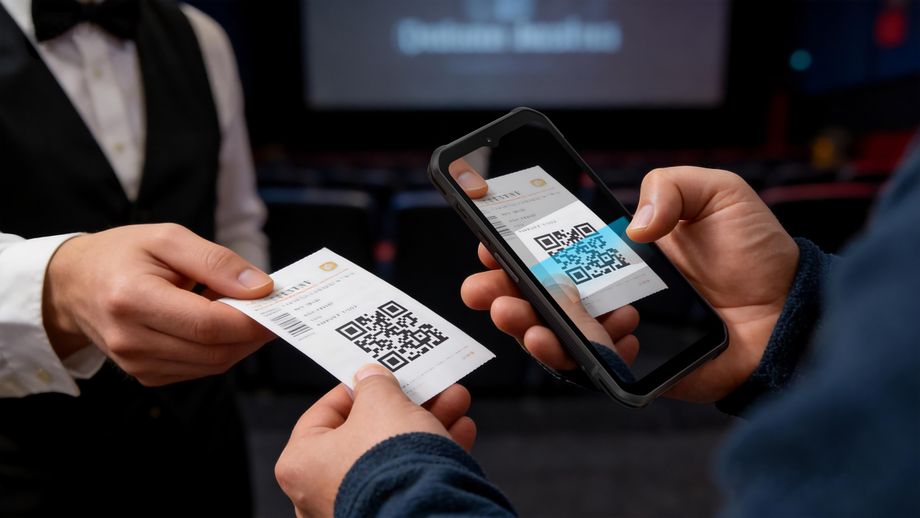
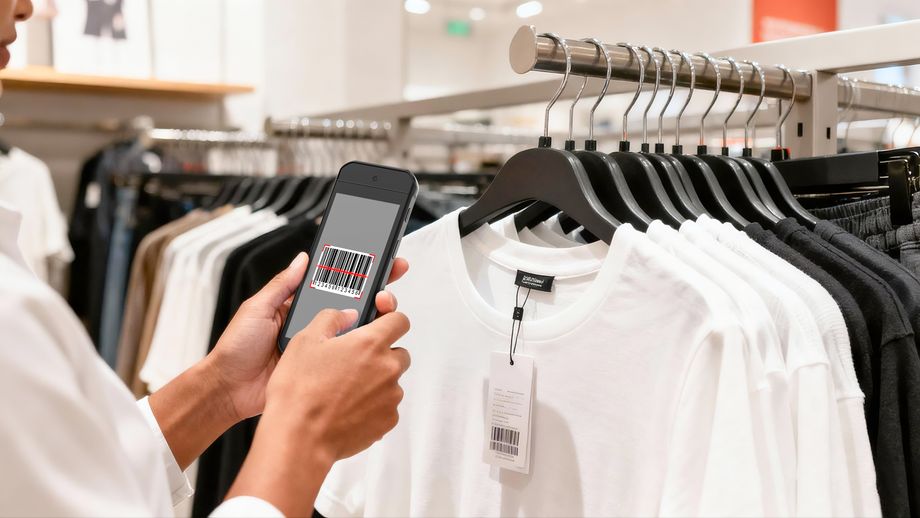
- Barcode/QR scanning: The guest presents a digital or printed QR code. The ticket barcode reader device decodes it via a dedicated hard-decoding engine—not a camera—checks validity against the server, and admits or rejects in under 100 milliseconds.
- NFC tap-and-go: The guest taps an NFC-enabled ticket, membership card, or payment device. The reader authenticates via ISO14443 Type A/B or Mifare protocols, enabling faster entry than QR codes and harder-to-forge credentials.
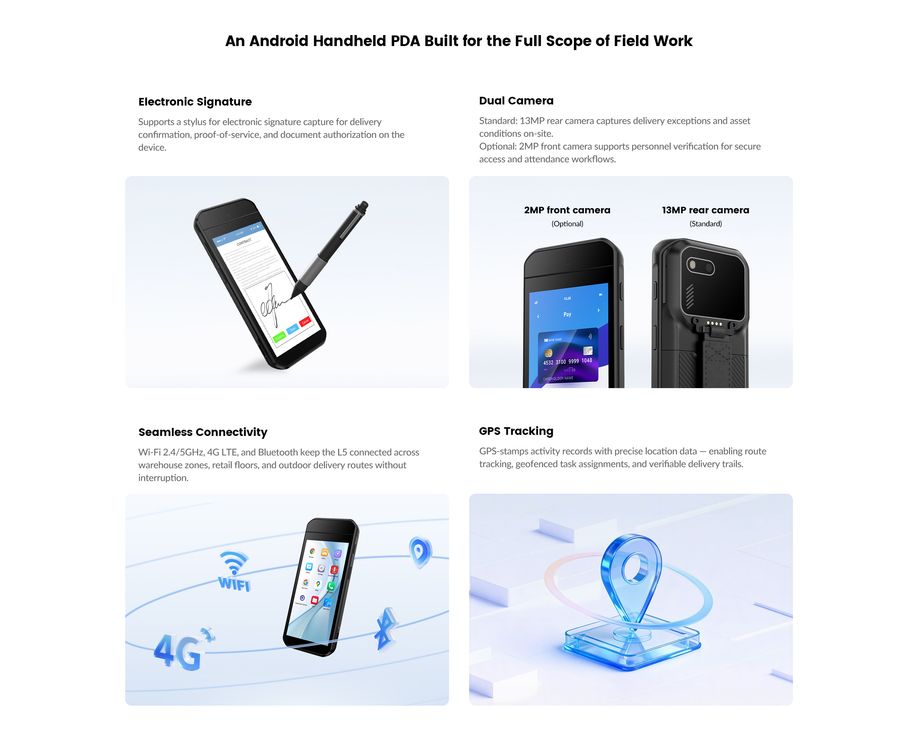
- Exception handling: The 13MP rear camera captures photo ID for VIP/backstage checks, documents damage or disputes, and records incidents. This is documentation, not primary scanning.
Consumer smartphones can handle scenario 1 in ideal conditions. They struggle with scenarios 2 and 3, and they fail consistently under the environmental stress of scenario 1 at scale.
Why the Trusted Handheld Ticket Scanner Is Essential for Venues Upgrade: Four Operational Realities
Hard-Decoding Speed: The Milliseconds That Matter
The core difference between a consumer phone and a professional mobile ticket scanner machine is the decoding method. Phones use cameras and software algorithms. Professional devices use dedicated hard-decoding engines.
Camera-based scanning requires adequate lighting, a clean flat code, steady framing, and post-capture processing time. In direct sunlight, the screen reflection blinds the camera. At twilight, the autofocus hunts. On a cracked phone screen, the QR pattern is fragmented. Each of these conditions introduces 300–800 milliseconds of delay—or outright failure.
A hard-decoding engine reads QR codes, Data Matrix, PDF417, and traditional 1D barcodes in milliseconds, including codes on cracked screens, in direct sunlight, at shallow angles, and through smudged glass. At an outdoor music festival in Germany, operators reported near-zero rescan rates with hard-decode devices versus roughly 8–12% rescan friction with camera-based units during twilight hours.
For venues where line speed directly impacts revenue—concessions sold per hour, parking throughput, secondary gate capacity—the decode speed of the mobile ticket machine is not a feature. It is the ROI.
IP65 Ruggedization: When the Weather Doesn’t Cooperate
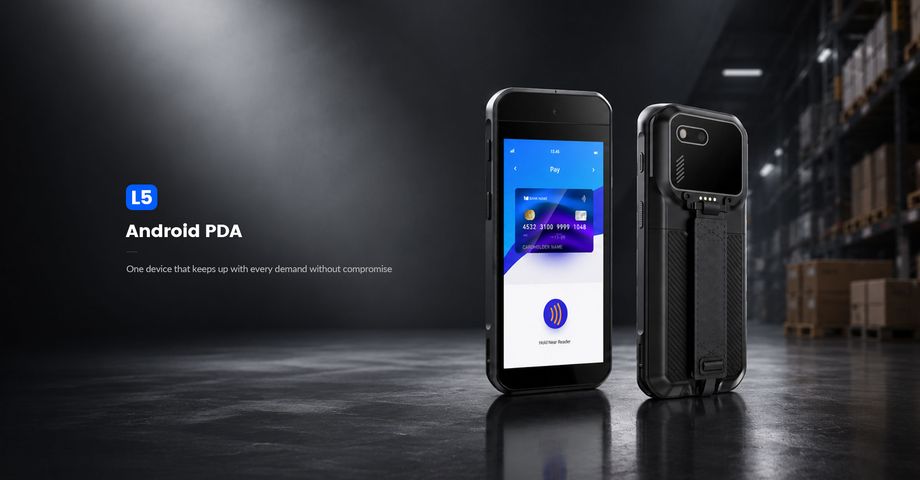
High-quality ticket scanner devices like the Telpo L5 carry an IP65 ingress protection rating, survive 1.5m drops to concrete, and pass 2,000+ tumble cycles in lab testing.
This is not a marketing specification. It is operational insurance:
- Rain: IP65 means the device operates in light to moderate rain without enclosure failure. Consumer phones require waterproof cases that degrade touchscreen responsiveness and eventually leak.
- Dust: Outdoor festivals, construction-adjacent venues, and desert events introduce fine particulate that enters phone charging ports, speaker grilles, and camera lenses. IP65 sealing eliminates this ingress path.
- Drops: A gate worker will drop the device. The 1.5m drop rating means the shift continues. A consumer phone with a cracked screen is a paperweight with a ticketing app.
- Battery: 12 hours of active scanning from a 5,000mAh removable battery. The removable design means depot swap at shift change, not mid-shift charging. For multi-day festivals where power infrastructure is limited, this is the difference between operational continuity and daily chaos.
NFC + Barcode Dual Protocol
Modern ticketing is not uniform. A hot-selling ticket checker machine must handle multiple credential formats without app switching or hardware swapping:
- QR codes: Dominant in general admission. Easy to generate, easy to forge. Suitable for low-security entry.
- NFC tokens: Used in season passes, corporate memberships, and transit cards. Harder to duplicate. Faster tap-and-go experience. More secure.
- Hybrid systems: High-security venues issue NFC-linked tickets with QR backup. The device must handle both protocols natively.
The Telpo L5 integrates a professional 2D scanning engine and an under-display NFC reader (ISO14443 Type A/B, Mifare). Venues transitioning from barcode-only to NFC-enabled systems can deploy the hardware now and enable NFC via firmware update later, avoiding a hardware refresh cycle.
MDM-Ready Fleet Management
For fleet operators managing 50–5,000 mobile ticket scanner machines across multiple venues or transit lines, Mobile Device Management is not optional. It is the difference between manageable and chaos.
Telpo MDM enables:
- Remote app deployment: Push ticketing app updates to the entire fleet overnight.
- Kiosk mode lockdown: Restrict the device to the ticketing app. No web browsing, no games, no sideloading.
- Device health monitoring: Track battery cycles, scan counts, and drop events per unit.
- Geofenced configuration: Apply different validation rules to different venues or gate zones automatically.
Consumer phones can run MDM agents, but the fragmentation of Android OEM skins, carrier bloatware, and update schedules makes fleet consistency unreliable. A unified hardware + OS + MDM stack eliminates this variance.
Honest Limitations: What a Ticket Scanner Device Cannot Do
- It does not print. A scanner-only handheld ticket scanner machine cannot issue physical receipts, ticket stubs, or signed proof of delivery. Venues requiring printed souvenirs or transit systems requiring paper tickets need a rugged PDA with built-in printer instead.
- It is not PCI-certified for bank-card transactions. While the device runs SoftPOS applications via NFC and QR codes, it does not carry PCI PTS or EMV certification. Open-loop financial processing requiring printed merchant copies needs certified payment terminals.
- The screen is smaller than that of consumer phones. At 5.5” (720×1280), the display is adequate for scan confirmation and simple UI interactions. It is cramped for complex data entry, signature capture, or multi-field forms.
- Camera scanning is not its strength. The 13MP rear camera is optimized for documentation—photographing damage, capturing ID cards, or recording exceptions. For barcode scanning, the hard-decoding engine handles the load. Camera-based OCR or document scanning is functional rather than exceptional.
Is a Professional Ticket Scanner Machine Right for Your Operation?
The comparison of selecting the ticket scanner machines in different projects and operations
|
Scenario |
Fit |
Why |
|
Outdoor music festivals |
✅ Strong |
IP65, hard-decode in sunlight, 12-hour battery, drop survival |
|
Stadium general admission gates |
✅ Strong |
High-throughput scanning, NFC season pass support, MDM fleet control |
|
Transit turnstile validation |
✅ Strong |
NFC token support, rugged for commuter handling, remote config via MDM |
|
Theatre and indoor venues |
⚠️ Moderate |
Over-engineered for climate-controlled environments; functional but not cost-optimized |
|
VIP/backstage credential checks |
✅ Strong |
NFC + barcode dual check, photo ID capture via 13MP camera |
|
Mobile ticketing with printed receipts |
❌ Not suitable |
No printer. Use a PDA with built-in printer |
|
Bank-card ticket purchases at gate |
❌ Not suitable |
No PCI/EMV certification. Use certified payment terminals |
|
Small venues (<500 guests/event) |
⚠️ Moderate |
Consumer phone + MDM app may be sufficient. Justified only if rugged needs exist |
The verdict: A professional ticket checker machine is purpose-built for high-volume, high-stress, outdoor or multi-day events where consumer phones fail at scale. For small indoor venues or workflows requiring printed output, it is over-specified or outright wrong.
Dedicated Ticket Scanner Device vs. Consumer Phone
|
Dimension |
Professional Ticket Checker Machine |
Consumer Smartphone + App |
|
Decode speed |
Hard-decode engine, <100ms |
Camera software decode, 300–800ms |
|
Environmental sealing |
IP65, rain/dust/drop rated |
None without case; cases degrade touch |
|
Battery (active use) |
12 hours, removable |
4–6 hours, integrated (no swap) |
|
NFC support |
ISO14443 A/B, Mifare, under-display |
Varies by model; often missing |
|
Fleet MDM |
Native, unified OS image |
Fragmented by OEM/carrier; inconsistent |
|
Unit cost |
Higher upfront |
Lower upfront |
|
TCO (3 years) |
Lower (fewer replacements, no case churn) |
Higher (breakage, battery degradation, OS drift) |
|
Theft risk |
Lower (dedicated device, kiosk mode) |
Higher (personal device appeal) |
The consumer phone wins on unit cost and app ecosystem. The ticket checker machine wins on everything that happens after day 30 of deployment.
Frequently Asked Questions
Q1: Why choose a dedicated mobile ticket-reading machine over a standard smartphone?
Smartphones work for small venues with low traffic and forgiving environments. Dedicated e-ticket scanner machines provide hard-decoding scan engines for near-instant validation, IP65 protection for outdoor use, and professional MDM for fleet management at scale. When line speed affects revenue, or a device failure disrupts operations, consumer phones are a liability.
Q2: Does a Android ticket scanner machine support both QR and NFC ticket validation?
Yes. Devices like the Telpo L5 feature a professional 2D scanning engine for QR and barcode codes, plus an integrated NFC reader (ISO14443 Type A/B, Mifare) for contactless tickets, memberships, and payments. Both protocols operate without app switching.
Q3: Can hardware providers customize ticket checker machines for our brand?
Yes. As a direct ticket checker machine provider, Telpo offers hardware-level customization including branded enclosure aesthetics, pre-installed firmware configurations, and specialized software integrations. This is an ODM-level modification, not logo stickers.
Q4: Is a ticket scanner machine suitable for high-traffic environments?
Yes. The hard-decoding engine and Android 15 minimize the scan-to-admit loop. Combined with a 12-hour battery and IP65 sealing, professional ticket scanner machines are designed for stadiums, festivals, and transit systems where device failure is not an option.
Q5: What happens if a ticket checker machine gets wet or dropped?
IP65 means it survives rain and water jets. A 1.5m concrete drop rating and 2,000+ tumble cycles mean it survives typical gate-level accidents. It is not invincible—submersion or extreme impact will still damage it—but it is designed for the conditions where consumer phones die within weeks.
Q6: Can a ticket scanner device print tickets or receipts?
No. Scanner-only devices have no print mechanism. For workflows requiring physical output, consider the Telpo P9, which integrates a 58mm thermal printer, or pair the scanner with an external Bluetooth printer (with the understanding that Bluetooth introduces pairing and charging complexity).
Q7: Do ticket checker machines work with third-party ticketing apps?
Yes. Devices like the Telpo L5 run Android 15 and support standard Android APIs. Telpo provides an SDK for the scan engine and NFC integration.
The right rugged ticket barcode reader device is the one that survives your worst operational day, not your best.
If your venue faces high traffic, outdoor exposure, or multi-day runtime requirements, a professional electronic ticket checker machine is worth evaluating against your current hardware. If your workflow requires printed output or bank-card transactions, a scanner-only device is not the answer, and hardware portfolios with printer-integrated options should be considered instead.
Request a sample unit or schedule a technical consultation to run a ticket checker machine against your specific ticketing software and gate workflow.