
How Does Entry-Exit System Enhance Border Control Security?

Quick Insight: The era of smart borders is here. The EU Entry Exit System launched in October 2025 and became fully operational across 29 Schengen countries by April 2026. This automated border crossing infrastructure replaces manual passport stamps with biometric identity verification—capturing facial images and fingerprints for every non-EU traveler. The result: systematic digital records, faster crossings in under one minute, and border control security that flags false identities before they reach immigration officers. For governments and system integrators, the shift to biometric border control demands reliable hardware. Telpo delivers biometric terminals engineered for exactly this mission.
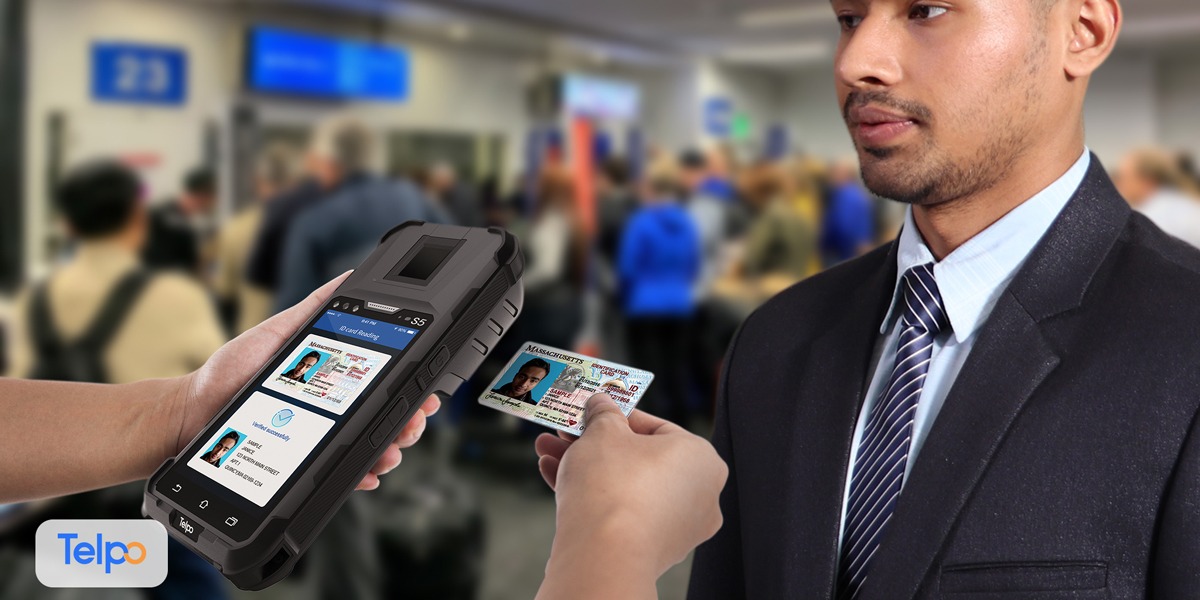
 

Entry Exit System device


What is EES?


EES, or Entry-Exit System, is part of the EU’s Smart Border Package. It is designed for replacing manual passport stamping with automatic crossing by biometric identity verification. The ultimate goal of this biometric border system is that visitors can complete the automatic border crossing process without the involvement of immigration officers.
The system became operational on 12 October 2025 and reached full deployment across all external Schengen border crossing points by 10 April 2026. It now applies to 29 countries, covering all non-EU nationals traveling for short stays of up to 90 days within any 180-day period.


How does EES work?


Information collection

The Entry-Exit System will record detailed information about visitors to make sure the automatic biometric crossing can operate smoothly. In addition to basic personal information such as full name, sex, date of birth, place of birth, citizenship, etc., EES will collect visitors’ biometric information including facial images and fingerprints.

Automatic biometrics border-crossing

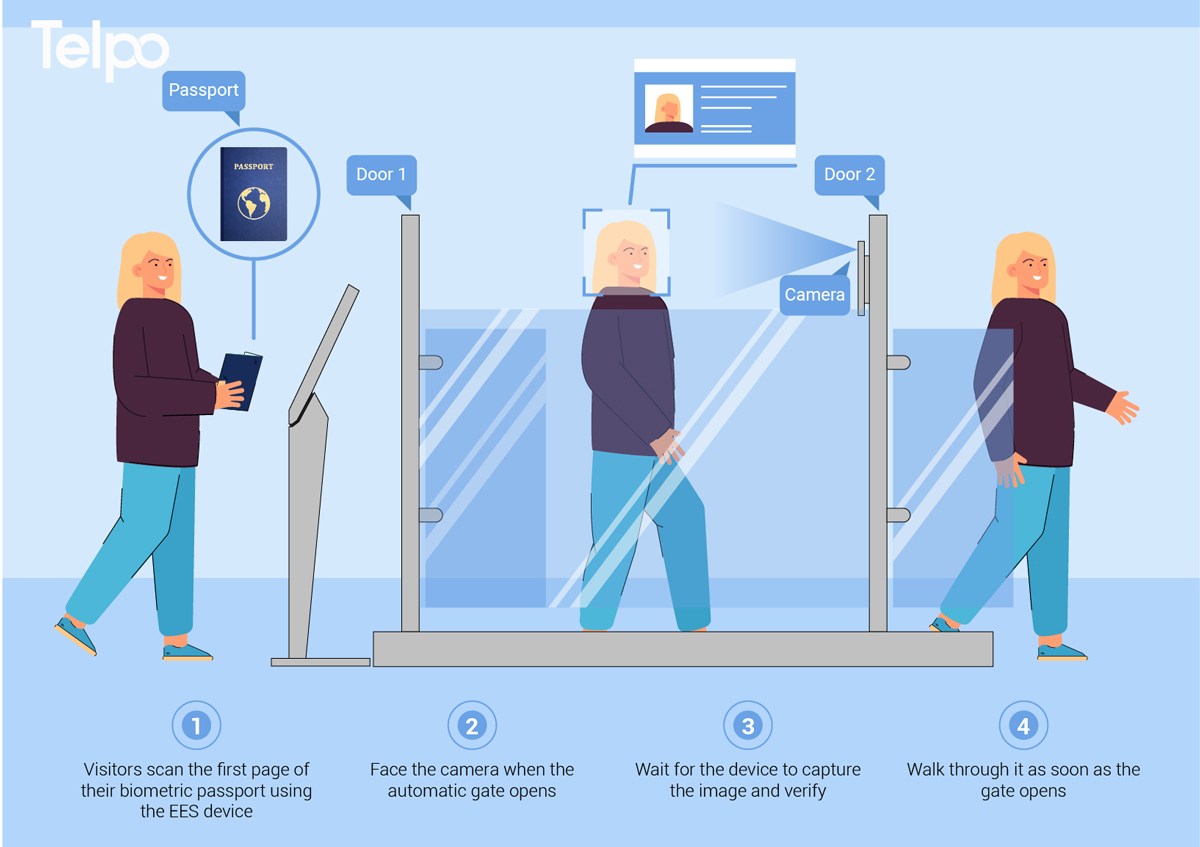
Biometrics makes border checks much easier. The whole verification can be limited to 1 minute.
Entry Exit System device

  • Step 1: Visitors scan the first page of their biometric passport using the EES device at the self-service border kiosk.
  • Step 2: Face the camera when the automatic gate opens
  • Step 3: Wait for the device to capture the image and verify
  • Step 4: Walk through it as soon as the gate opens

The EU’s EES is not the first try of governments of countries to apply biometric technology to enhance border control security.


Which countries have already introduced biometric border systems to border control?

Australia and New Zealand

SmartGate is Australia’s automatic biometric border system and it is named eGate in New Zealand. It is operated by Australian Border Force and New Zealand Customs Services. In virtue of facial recognition technology and the biometric data stored in biometric passport chips, the SmartGate system allows visitors from other countries to quickly pass border control.

The U.S.

According to U.S. Customs and Border Protection, facial biometrics have been applied at 36 airports in the USA and processed more than 200 million travelers. It is well recognized that the biometric entry-exit system simplifies and speeds up the arrival process.

In addition to the countries mentioned above, many other countries have introduced biometric entry-exit systems, such as China, Brazil, Ukraine, etc.
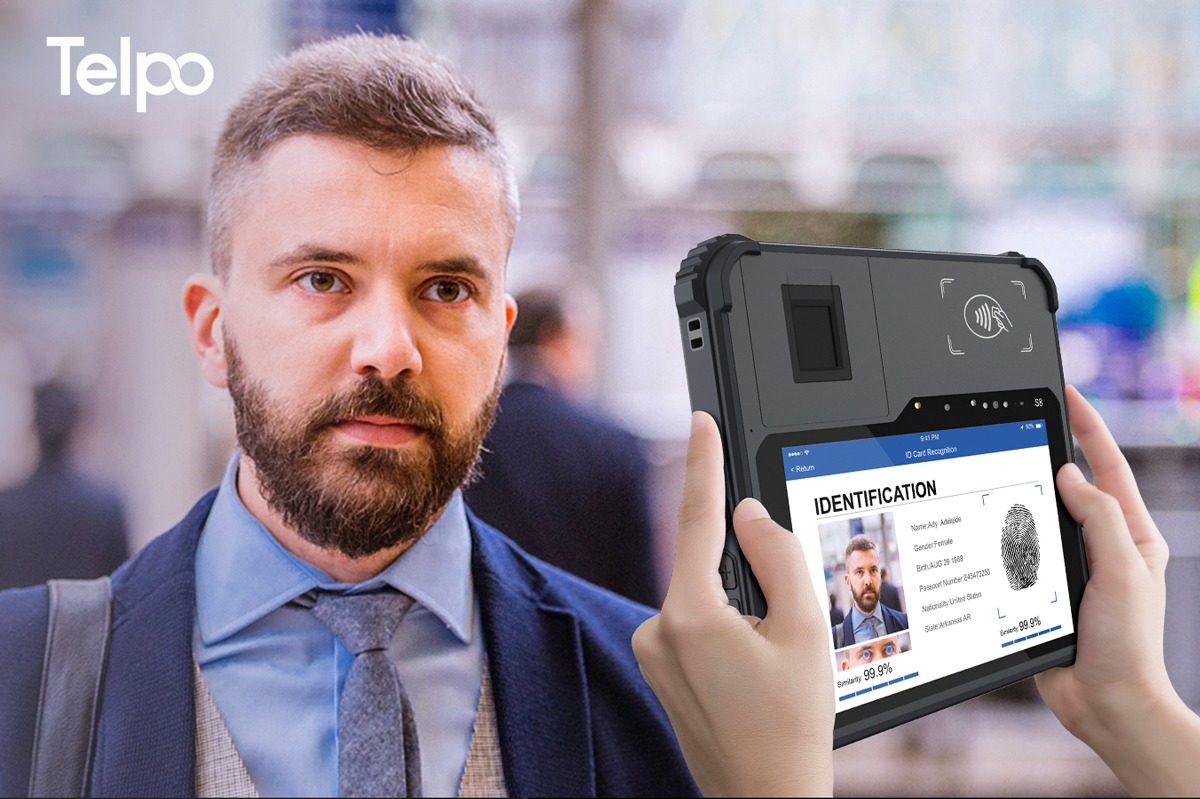
 

Entry Exit System device


Why have biometric border systems been more widely used for border control?


The EU’s EES is not the first application of biometric technology to enhance border control security. Governments worldwide have accelerated adoption for four concrete reasons.

More mature biometric technology

Not limited to border control, biometric technology has been used in many application scenarios covering bank account activation, identity registration, payment, etc. As biometric technology develops, it’s more reliable to apply biometric border systems to border control.

Less time-consuming

Compared to stamping passports manually, using biometric border systems is more time-saving. As global communications become closer, numerous travelers cross borders every day. Manual passport-stamping costs time for every traveler, which makes travelers need to wait for a long time in a narrow space. As mentioned above, identity verification using biometrics costs less than 1 minute for every visitor, and thus border crossing speeds up.

Higher accuracy

Biometric Enter Exit System helps overcome the challenge brought by criminals who enter a country using a false identity. Biometric features are nearly impossible to fraud, therefore every traveler has a unique identity. Criminals will fail to enter the border even if they get a stolen or lost passport. Biometric technology improves the effectiveness of detecting persons with fraud or wanted identity.

Systematic data recording

Taking the EU’s EES as an example, the border system can automatically and systematically record the date and place of entry, date and place of exit, previous refusals of entry to a country, etc. The systematic records make immigration officers clearly and fully know the situations of visitors and then conduct more efficient management.


The Role of Self-Service Kiosks in Biometric Border Control

Kiosks play an important role in biometric border control. They are the first gate to stop trespassers.
In airports across countries adopting biometric border systems, dedicated automatic passport control kiosk areas are set up. On these self-service border kiosks, visitors scan the information page of passports, verify face images and fingerprints, and complete registration. These units reduce manual intervention through automation. The workload of customs officers drops significantly, and the crossing process for visitors speeds up.
Self-service kiosks have been widely deployed at airports where space allows. Border control also takes place at railway stations, seaports, and land crossings. These scenarios demand compact, rugged biometric terminals that can process identification in the field.


Telpo Biometric Terminals for Border and Access Control

Telpo is dedicated to biometric terminals and solutions. The product range covers mobile border patrol, fixed enrollment stations, and AI-powered access control gates.
 

Telpo S5 — Rugged Handheld Biometric Terminal


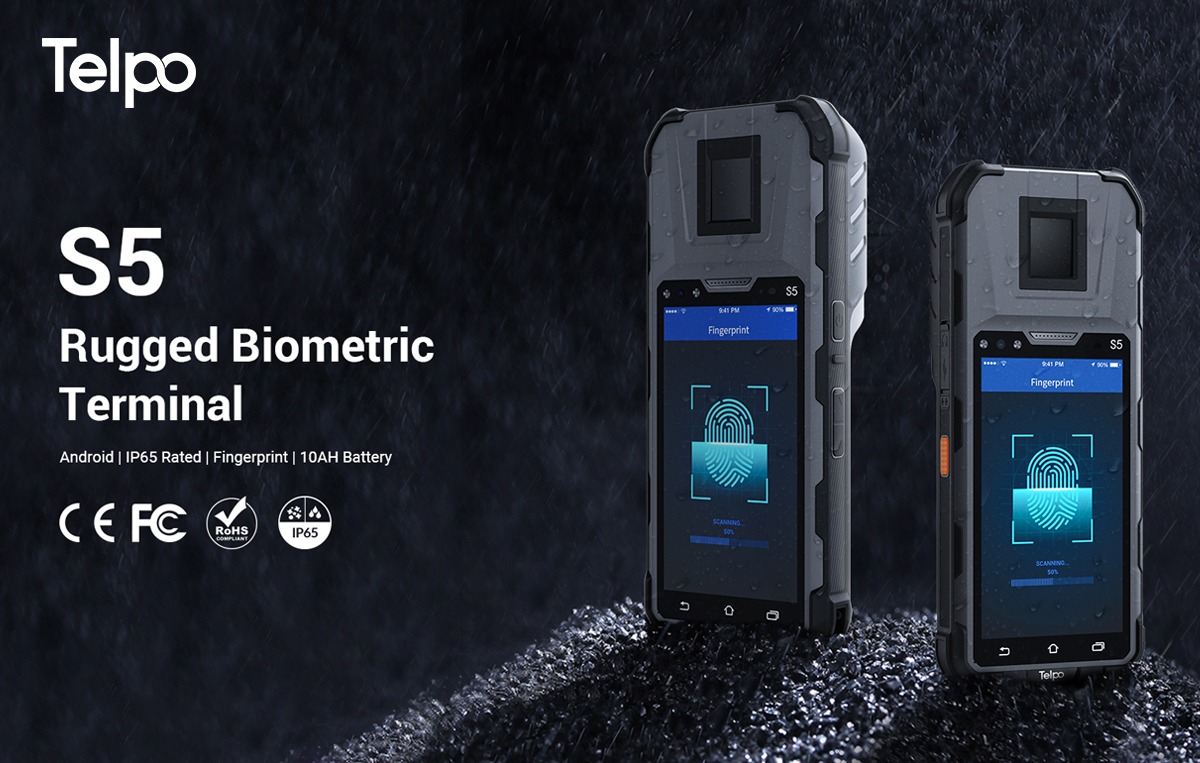
Telpo S5 is a rugged handheld biometric terminal that is suitable for use in mobile border control. It has a powerful performance with the Android 9 OS running and has a leading protection level.
Entry Exit System device

Features:

  • Leading protection level: IP65 waterproof and dustproof, 1.5m drop resistance
  • Multi-factor identification: IC card, NFC card, ID card, passport reading, barcode scanning, iris recognition
  • Multiple fingerprint options: FAP20, FAP30, FAP45

Telpo S8 — Biometric Tablet


The S8 is an 8-inch biometric tablet equipped for multimodal enrollment and verification at fixed checkpoints.
 

Entry Exit System device
Fingerprint Scanner Tablet Telpo S8

Features:

  • Multifactor biometrics authentications: fingerprint, iris, voiceprint, and face
  • Multiple identity document reading methods: E-ID card contact reading, E-ID card NFC scanning, E-passport NFC scanning, barcode scanning
  • Multiple fingerprint scanner options: FAP20, FAP30, FAP45, FAP60

Telpo F8 — AI Face Recognition Terminal
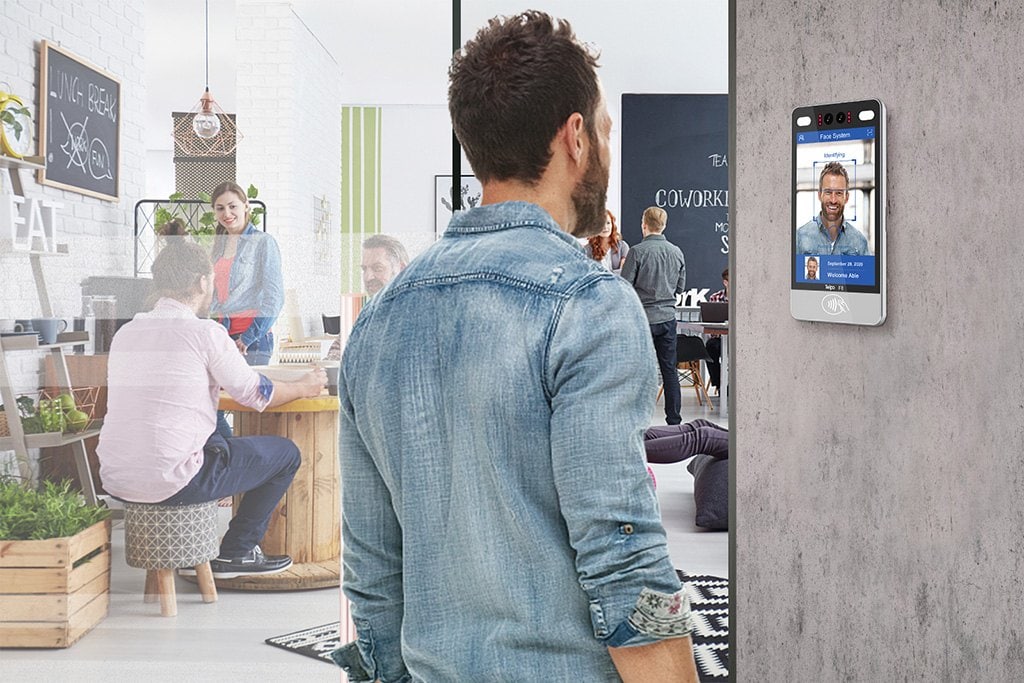
 

The Telpo F8 is an 8-inch AI face recognition machine designed for access control, gate integration, and visitor management in both indoor and outdoor environments. It is the first Linux face recognition terminal in the industry powered by the Rockchip RV1109 vision processor.
 
8-inch AI face recognition machine
  • High-performance AI vision processor: RV1109 dual-core ARM Cortex-A7 CPU with 1.2Tops NPU, delivering lower power consumption and higher cost-effectiveness than legacy chips
  • Dual-camera recognition: RGB and IR binocular cameras with liveness detection, supporting strong front light and strong backlight environments
  • Speed and accuracy: Face recognition in 0.4 seconds with accuracy up to 99.5%
  • Flexible authentication: Video intercom, QR-code scanning, RFID card access, and face recognition in one device
  • Rugged design: IP66 protection against dust and multi-directional water jets, suitable for outdoor gate and border checkpoint deployment
  • Dual OS options: Linux or Android, providing openness and strong expandability for custom border control software integration
For border control scenarios requiring fixed automated border crossing gates or access control points, the F8 provides a compact, high-accuracy, all-weather solution that integrates directly with existing security infrastructure.
Founded in 1999, Telpo has rich experience in biometric terminal production and customization. Welcome to contact us for more details.
 

Tag: EES, Entry-Exit System, biometric border system, automated biometric border crossing


Conclusion


The shift from manual stamps to digital biometric border control is irreversible. The EU Entry Exit System proves that automated border crossing can strengthen security while reducing wait times. For governments and system integrators, the hardware backbone matters: devices must deliver financial-grade accuracy, operate in harsh environments, and integrate with multiple identity verification methods.
Telpo supplies a complete portfolio—from the rugged handheld S5 for mobile patrols, to the multimodal S8 tablet for enrollment stations, to the AI-powered F8 face recognition terminal for fixed gates and access control. Each unit is built for 24/7 operation, supports OEM customization, and connects to Telpo Cloud for centralized data management.
Welcome to contact us for more details. We have confidence that Telpo will not let you down.

Need biometric terminals for border control or access management? Contact Telpo to discuss S5, S8, and F8 specifications, OEM customization, and volume pricing for your Entry-Exit System deployment.
 

FAQ


What is the EU Entry Exit System (EES)?
The Entry Exit System (EES) is an automated biometric border crossing system operated by the European Union. It replaces manual passport stamping with digital registration of facial images and fingerprints for non-EU nationals entering the Schengen Area. The system tracks entries and exits to enforce the 90-day limit within any 180 days.
 
How does biometric border control improve security compared to passport stamping?
Biometric border control improves security by using unique physiological traits—facial images and fingerprints—that are nearly impossible to forge or steal. Even if a criminal obtains a lost or stolen passport, biometric identity verification will reject the mismatch. The system also flags persons using false identities and maintains systematic digital records of every crossing.
 
How fast is automated border crossing using biometric verification?
Automated border crossing using biometric verification can be completed in under one minute. Travelers scan their biometric passport, face the camera for image capture, and wait for the gate to open. Returning travelers with data already on file can pass even faster, as the system only needs to verify stored biometrics rather than re-register them.
 
What role do self-service border kiosks play in the EES process?
Self-service border kiosks serve as the first registration point for non-EU travelers. Visitors scan their passport information page, verify their face image and fingerprints, and complete the application at the kiosk. These units reduce manual intervention, free up customs officers for higher-risk screening, and speed up the overall crossing process at airports, seaports, and land borders.
 
Which countries use the EES Entry-Exit System?
The EES is used across 29 Schengen countries, including EU member states (except Cyprus and Ireland) plus Norway, Switzerland, Iceland, and Liechtenstein. It applies to all non-EU nationals traveling for short stays of up to 90 days within any 180-day period. EU citizens and Schengen-associated country nationals are exempt.
 
Why is 3D structured light or dual-camera IR technology important for facial recognition border control?
Dual-camera IR and RGB technology, along with 3D depth sensing, is critical because it provides liveness detection that rejects photos, videos, and masks. This anti-spoofing capability ensures that the person presenting themselves is physically present and matches the registered identity. Financial-grade accuracy above 99.5% is only achievable when the hardware can distinguish between a real face and a replica.
Scroll to Top
Telpo android pos terminal supplier

Contact Telpo

Global Contact

Contact Telpo

Bottom Contact